- Email Us : export@spicecardamom.com
- Address : Digital Park, Silicon Oasis, Dubai, UAE
- Call : +971522865757

Trends in the global cardamom market: what distributors need to know
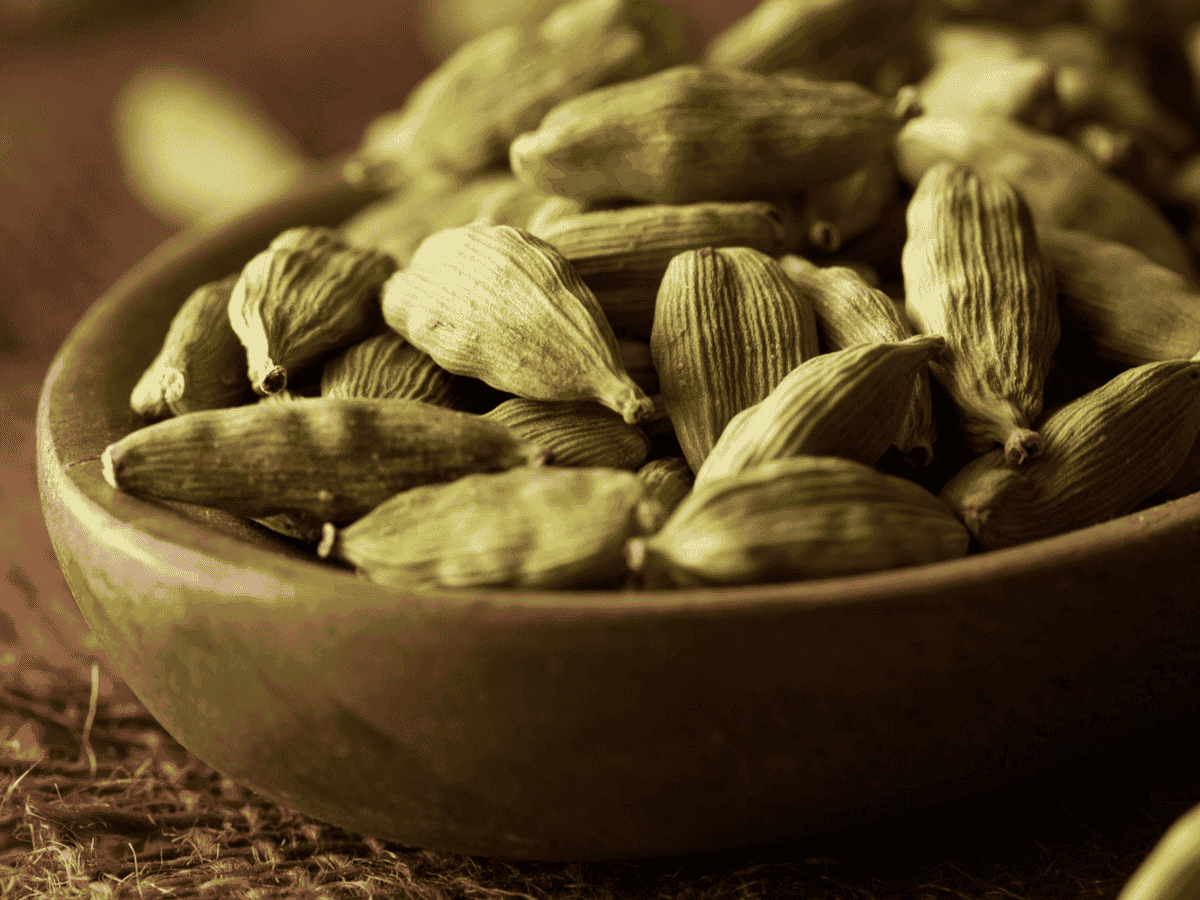
Cardamom is becoming very popular in global markets, and its demand is growing very fast. The unique flavor,and aroma of cardamom is gaining attention even internationally. Because of its health benefits, it is used in food as well as wellness products. This rise in demand is good news for cardamom distributors and cardamom suppliers. They now aim to expand their reach and grow their business.
The cardamom market is also experiencing changes with changes in consumer buying behaviour. Only if cardamom distributors know the trends, can they offer the right product at the right time to the right markets. This article talks about the current market trends and gives tips that distributors need to succeed in the global cardamom trade.
The market of cardamom
The global market of cardamom shows a progressive growth. The flavour and uniqueness of this spice is being discovered by more countries worldwide. The two main producers of cardamom are Guatemala and India. The major importing regions are the Middle East, Europe, North America, and parts of Asia.
Europe and North America are seeing increased demand as the interest of people in global cuisines, herbal teas and natural wellness products increased. The market has both bulk cardamom for food manufacturing and packaged cardamom for direct sale to customers. There is also increasing demand for organic and certified cardamom in global markets as the health awareness of customers grows.
More and more brands are entering the spice market making the competition stronger. Cardamom distributors must know where demand is coming from and which cardamom suppliers offer consistent quality. They must study which countries are importing more cardamom and what types are most in demand, only then cardamom distributors can stay ahead in this growing market.
Price fluctuations of cardamomLike any other product, cardamom also experiences price fluctuations. And this affects the entire supply chain. One major reason for the price change of cardamom is climatic conditions. Too much rain or drought affects the quality and quantity of cardamom produced. When the crop is low, cardamom distributors usually pay high prices due to limited supply. Whereas a good harvest causes a fall in prices because there’s more product available. Cardamom distributors must understand these seasonal patterns to plan well the procurement of cardamom.
Global demand is another important factor. When more countries began to import cardamom the price showed a hike. Consumers prefer organic cardamom and premium quality cardamom which also pushed prices higher. Other factors that affect prices are export policies, currency exchange rates, and transport costs. For example, delays at ports or rising shipping fees can make cardamom more expensive. A cardamom distributor should understand the price trends in the market to stay profitable.
Consumer preference of cardamomToday’s consumers are very selective about the type and quality of cardamom they buy. Most people now prefer organic cardamom because it is grown without chemicals. Organic cardamom is considered healthier and natural. In Europe and North America, buyers are also looking for certified and sustainably sourced products. The entire culture has changed into not just the taste of cardamom but also about transparency in how these spices are grown and traded.
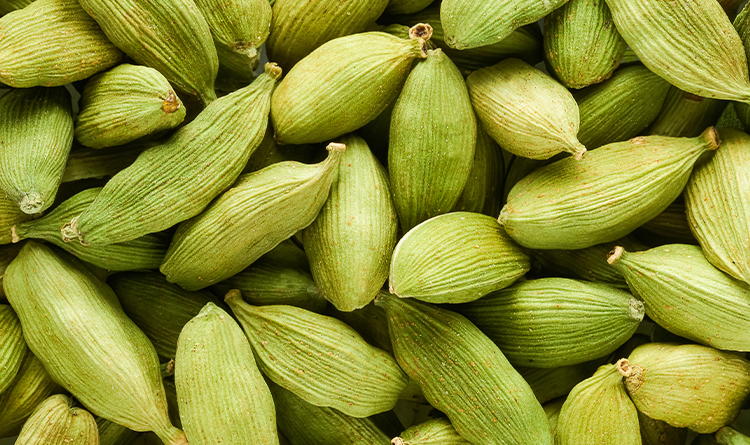
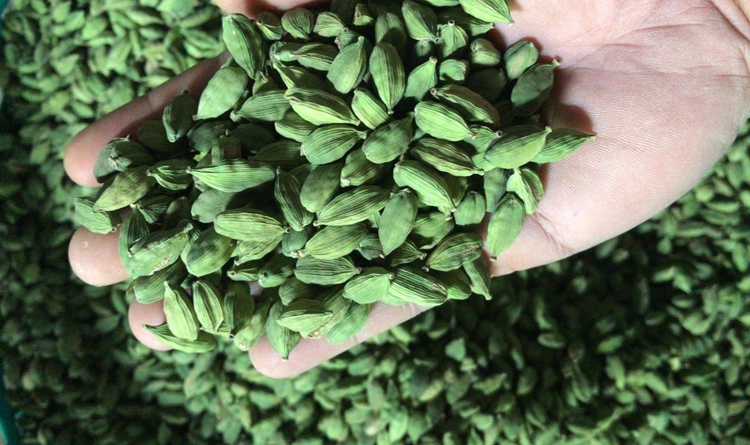
In the Middle East, people prefer large, green cardamom pods with strong aroma for making the traditional coffee and desserts. In Europe and the U.S. customers use powdered cardamom for baking, making tea, and for natural remedies. Indians use cardamom in daily recipes, especially sweets, curries, and rice dishes.
Many consumers want clean-label products, which means pure ingredients with less additives. This has led to more demand for single origin and traceable cardamom. Buyers want to know exactly where the cardamom came from. Cardamom distributors who understand these changing preferences can offer the right types of cardamom to the right markets. Keeping up with consumer needs also helps build loyalty with the cardamom distributors.
Export and import of cardamomGuatemala is the world’s top exporter of cardamom sending large volumes of green cardamom to markets in the Middle East, Europe, and the U.S. India is another major producer and also plays a big role in exporting cardamom. Seeing the growing demand, countries like Sri Lanka, Nepal, and Tanzania are now present in the export market. Most of the imports of green cardamom is mostly done by the Middle East. Saudi Arabia, UAE, and Kuwait are the largest buyers of cardamom, especially for whole bold green cardamom pods.
In Europe and North America, cardamom is used in baking, special drinks, and health products. Importers in these regions require high quality standard cardamom. They require organic certification and pesticide free testing. Cardamom exporters face challenges during times of shipping delays or changes in currency or when new food safety rules are imposed.
Cardamom exporters are now moving to value-added products like ground cardamom, cardamom blends and branded packaging for retail markets. Whereas, importers are searching for reliable cardamom suppliers who can offer cardamom with consistent quality, reasonable price and trackable sourcing. Cardamom distributors who try to study these trade patterns, export strengths and import needs can plan better sourcing and sales strategies.
Packaging of cardamomIt's important for every consumer that they buy products with quality, trust, and presentation. Eco-friendly packaging is the recent market trend. Many brands are ditching plastic and choosing recyclable and biodegradable packaging to reduce waste. This move appeals to modern, environmentally conscious buyers all around the globe. Buyers want to see details like origin, purity, and whether the product is organic. So cardamom distributors now provide clear packaging.
Cardamom suppliers are now branding cardamom with bold fonts, rich colors and premium-looking designs so that their cardamom stands out on shelves. But private label brands are still popular in supermarkets and online stores because they offer less pricing and flexibility for retailers.
ConclusionThe global cardamom market is full of new opportunities for distributors who are ready to adapt and grow. Cardamom distributors who understand the changing trends in the market can plan and build sales strategies to meet the demand in the market effectively.