- Email Us : export@spicecardamom.com
- Address : Digital Park, Silicon Oasis, Dubai, UAE
- Call : +971522865757

Best Cardamom Varieties for Export Markets
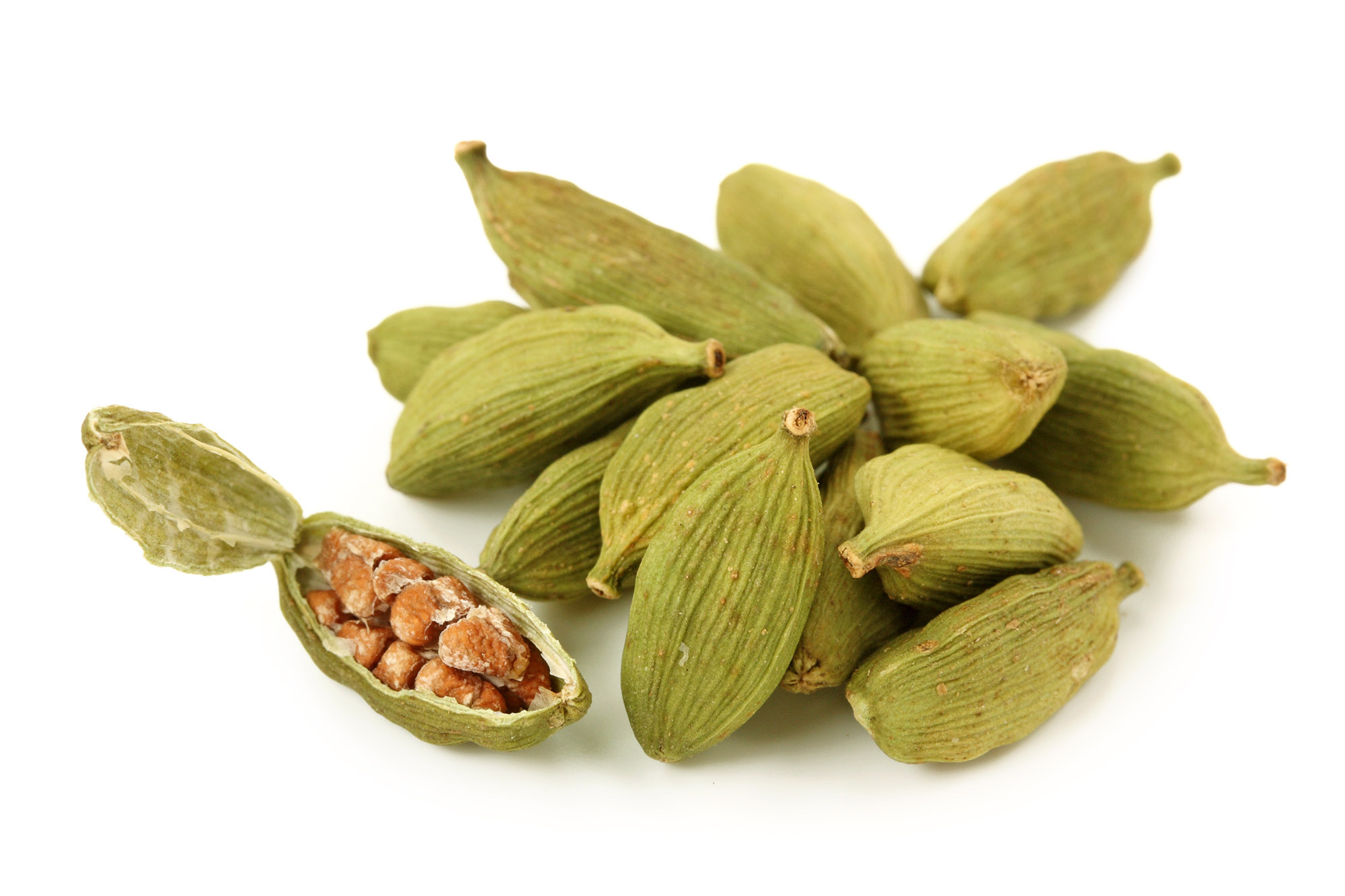
An international spice brokerage or a food manufacturing giant does not take anything of mediocre quality. Global buyers and commercial kitchens are willing to pay top dollar for spices that deliver exceptional punch of aroma and flavor. When it comes to the international spice trade, high quality cardamom commands immense prestige and price per metric ton.
However, jumping into international trade without knowing the exact physical and chemical differences between growing regions is a quick way to burn through your capital. Not all pods are created equal. A variety that works brilliantly for a Scandinavian bakery line might completely flop when sold to a Middle Eastern distributor who demands massive, deep green pods for traditional coffee brewing. For anyone handling sourcing or supply chain management, understanding which specific varieties dominate the global market, and why, is your strongest asset for securing high margins and repeat buyers.
Looking for premium cardamom?
Our team is ready to help you with retail, wholesale, and export inquiries. Contact us today for competitive pricing and reliable supply.
Or email us at export@spicecardamom.com
The Massive Global Market Preferences
To succeed in the export business, you first have to understand that different parts of the world look for completely different specs when importing bulk cargo. Global demand is broadly split into two distinct categories: visual appeal and essential oil density.
In the Middle East, the appearance of cardamom matters and they are one of the major global buyers. They want vibrant green pods and would not accept anything with blemishes. They brew whole or coarsely crushed pods directly with coffee beans, meaning the pod itself is on full display. On the flip side, European and North American buyers are far more focused on raw flavor yield and oil content.
Understanding these regional preferences saves you from costly logistics nightmares. Shipping a lightweight, visual-grade variety to an extract factory means they will have to use double the raw material to get their desired flavor, leading to unhappy clients and canceled contracts.
Indian Alleppey Green
Indian cardamom is known locally as Elaichi and the Indian varieties have set the benchmark for luxury spices for hundreds of years. Among these, the Alleppey Green Extra Bold variety is the first choice for international buyers.
These pods are harvested by hand and dried in traditional hot air kilns. They are dense and heavy pods packed with dark brown or black seeds that carry an essential oil content. Because of this intense oil weight, top tier cardamom producers in India command some of the highest prices on the global auction floors.
Guatemalan Coban and Zona Reina
While India holds the crown for artisanal history, Guatemala is the undisputed heavy weight champion of volume in the international market. The regions of Coban and Zona Reina produce pods that are famous for their stunning visual uniformity. Using advanced optical sorting machinery, export facilities grade these harvests strictly by size, color, and density. The highest grade, known as Jumbo Green, are plump and bright olive green pods with no dark spots.
Key Grading Criteria That Drive Export Prices
If you want to protect your profit margins when negotiating bulk contracts, your quality control team must know how to inspect incoming cargo before you sign off on a shipment. Relying solely on a supplier's marketing claims is a dangerous game in an industry where middleman scams and poor drying practices are common.
When evaluating batches for export, professional buyers look at three core metrics:
Pod Size and Density: Higher export grades are measured in millimeters. Pods measuring 8mm or larger command a massive price premium because they contain a higher ratio of flavor-rich seeds to empty husk fiber.
Seed Color and Moisture: Open samples from every shipment. The seeds should be dark brown or black and feel heavy and slightly sticky between your fingers. Pale, light gray or white seeds do not belong to high quality cardamom.
Color Retention: A vibrant green coat will be obtained only if the crop was dried slowly at safe, controlled temperatures. Faded yellow or dusty gray pods mean the inventory sat in hot, humid warehouses for too long, causing the essential oils to evaporate into thin air.
Working directly with established cardamom suppliers who run laboratory tests for volatile oil content ensures you receive cargo that meets your exact production standards every single time.
Streamlining Production and Protecting Your Cargo
The outer husk of cardamom acts as a natural vault, protecting the delicate essential oils from light and oxygen. The second you crush those internal seeds, rapid oxidation begins. By grinding whole pods on-demand, you trap every percent of the aromatic compounds inside your product rather than losing them into the factory air. Additionally, ensuring that your cardamom export shipments are packed in high-barrier, multi layer aluminum vacuum bags rather than standard burlap sacks is critical.
Conclusion
Building a successful business in the international spice trade is not about hunting for the absolute cheapest wholesale price sheet you can find. In a market full of adulteration to meet the growing demand of green cardamom, it is often a challenge to find a reliable green cardamom supplier. Spicecardamom is a trusted name in the field of green cardamom suppliers. Invest a little time into inspecting your spices and get the pure, authentic punch that only fresh cardamom can deliver.
Frequently Asked Questions
1. Why is cardamom from some producers more expensive?
The high price is mostly because of the amount of labor involved. Cardamom producers hand-pick every pod and use electric dryers instead of wood fire. They also use premium packaging that has higher costs. But this also means you are getting a product that is free from smoke smells, mold, and "empty" pods. You are paying for the consistency.
2. Why do some green cardamom pods look almost white?
"White" cardamom is actually green cardamom itself. It has been bleached or has faded due to age. Bleaching green cardamom destroys its quality, that is the natural oils and the health benefits are found in the green husk. Unbleached and naturally green elaichi should be preferred.
3. Why do my seeds look brown or gray instead of black?
If your green cardamom seeds are dark and sticky, it means the elaichi green cardamom is fresh. If the seeds look pale, they are probably dried out ones. They can be eaten of course, but you will have to use double the quantity.
4. How will I know if my green cardamom is actually fresh?
Look at the color and try popping them. Fresh green cardamom has a natural green colour. When you squeeze a fresh green cardamom pod, it will feel plump and pop open. It will also have dark, sticky and oily seeds.