- Email Us : export@spicecardamom.com
- Address : Digital Park, Silicon Oasis, Dubai, UAE
- Call : +971522865757

Green Cardamom Quality Guide for Importers and Distributors
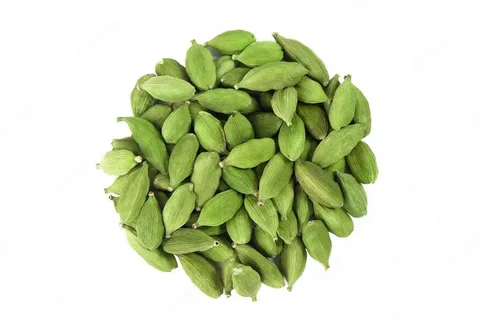
Cardamom is often called the “queen of spices” because of its rich aroma and distinctive flavour. With growing demand in international markets, buyers now have access to different grades and qualities of this popular spice. Poor-quality pods can affect taste, aroma, shelf life, and the overall value of a shipment.
For importers, distributors, traders, shop owners, and even regular consumers, knowing how to assess quality is essential. However, especially for first-time buyers, distinguishing premium pods from lower-grade stock can be challenging. This guide explains the key factors to consider when evaluating green cardamom before making a purchase.
Looking for premium cardamom?
Our team is ready to help you with retail, wholesale, and export inquiries. Contact us today for competitive pricing and reliable supply.
Or email us at export@spicecardamom.com
Understanding Market Grades and Physical Specifications
When negotiating supply contracts, clearly defining physical specifications from the beginning can help prevent quality disputes later. In international trade, whole pods are commonly sorted according to their diameter, appearance, and overall consistency.
Extra Bold (8 mm to 8.5 mm+):
This is considered a premium grade. The pods are large, dense, and typically have a deep, uniform green colour. They are commonly selected for luxury retail packaging, speciality products, gift tins, and markets where visual presentation is important.
Bold (7.5 mm to 8 mm):
This grade offers a good balance between appearance, aroma, oil content, and price. It is suitable for retail packs, food service applications, and general commercial use.
Medium Bold / Standard (6.5 mm to 7 mm):
Smaller pods are often used for grinding, flavour extraction, tea bags, spice blends, and other commercial applications. Although they may not have the visual appeal of larger grades, properly processed batches can still deliver good flavour and aroma.
Open / Split Pods:
These pods have opened or cracked during harvesting or drying. While they may not be suitable for premium retail presentation, they can be useful for grinding, extraction, and other industrial applications.
Including the required size range and physical specifications in purchase orders helps ensure that the shipment matches the buyer’s intended application and processing requirements.
Evaluating Visual Characteristics and Essential Oil Density
Size and appearance provide useful initial clues when assessing a batch. High-grade pods are generally well-formed, plump, firm, and consistent in size.
Take a pod between your fingers and gently press it. A fresh, well-developed pod should feel firm rather than hollow or excessively brittle. Small, damaged, discoloured, or broken pods may indicate lower-grade stock or issues during harvesting, handling, or drying.
Aroma is another important indicator. Fresh pods should have a distinctive, pleasant fragrance rather than a weak, stale, or musty smell. The natural essential oils contribute significantly to the characteristic flavour and aroma, making freshness particularly important for buyers.
Although larger pods often command a higher price because of their appearance and seed development, size alone should not determine purchasing decisions. Buyers should consider aroma, moisture, cleanliness, colour, processing, and laboratory test results as part of an overall quality assessment.
Crucial Chemical and Safety Benchmarks
Visual inspection is only the first stage of quality control. Importers should also consider laboratory testing to verify safety and compliance before completing large commercial transactions.
Moisture Levels:
Excessive moisture can increase the risk of mould, spoilage, and condensation during transportation. At the same time, excessive drying can make the husks brittle and increase the likelihood of breakage. Buyers should agree on an acceptable moisture range based on applicable trade and food-safety requirements.
Foreign Matter:
The shipment should be properly cleaned and free from excessive dirt, stones, plant debris, and other unwanted materials.
Pesticide Residue Limits:
Different countries and markets have their own limits for agricultural chemical residues. Importers should request appropriate laboratory documentation and confirm that the product meets the requirements of the destination market.
Aflatoxin and Salmonella Screening:
Microbiological and contaminant testing is important for food products intended for international distribution. Accredited laboratory reports can help verify compliance with the relevant safety requirements.
Quality Control Measures Taken by Suppliers and Importers
Maintaining consistent quality requires attention at every stage, from harvesting to final delivery. Suppliers can support farmers with guidance on appropriate harvesting practices and ensure that pods are collected at the right stage of maturity.
Damaged or unsuitable pods should be separated during sorting rather than being mixed with higher-grade stock. The harvested crop can then be graded according to factors such as size, colour, appearance, and aroma.
Drying is another critical stage. Poor drying practices can affect colour, texture, flavour, and natural oil content. Controlled drying methods help preserve the desirable characteristics of the pods while reducing the risk of moisture-related spoilage.
Moisture levels should also be monitored during processing and storage. Proper packaging helps protect the product from air, dust, humidity, and other external factors during transportation. Depending on the application and trade requirements, suitable sealed or vacuum packaging can help extend freshness.
Importers should also carry out regular inspections and request relevant testing and certification when necessary. Reviewing samples before placing large orders, checking documentation, and establishing clear specifications with the supplier can significantly reduce quality-related risks.
Conclusion
Choosing high quality cardamom involves more than checking its colour or size. Aroma, freshness, physical condition, moisture, cleanliness, safety testing, packaging, and consistency all play a role in determining whether a shipment meets the buyer’s requirements.
For importers and distributors, working with a dependable supplier can make the sourcing process more consistent and transparent. Spicecardamom focuses on careful selection, packaging, and transportation to help deliver products with their natural flavour and fragrance preserved.
Frequently Asked Questions
1. Why is green cardamom more expensive in 2026 than in 2024?
Several factors can influence international spice prices, including crop conditions, production levels, demand, currency movements, and transportation costs. In 2026, supply disruptions and strong demand from markets such as Saudi Arabia and the UAE have contributed to higher prices. Buyers should monitor current market conditions rather than relying only on prices from previous years.
2. How will I know if my green cardamom is actually fresh?
Fresh pods generally have a natural green colour, a firm and plump appearance, and a noticeable aromatic fragrance. When opened, the seeds should have a healthy appearance and retain their characteristic aroma. A dull colour, weak smell, excessive brittleness, or signs of mould can indicate poor storage or reduced freshness.
3. Is it better to buy green cardamom from India or Guatemala?
The right source depends on the buyer’s requirements, including flavour profile, grade, availability, price, and intended application. Indian cardamom is valued for its distinctive aroma and flavour, while Guatemala is a major producer with significant export capacity. Instead of choosing solely by country of origin, importers should compare samples, specifications, laboratory results, consistency, and supply reliability before making a decision.