- Email Us : export@spicecardamom.com
- Address : Digital Park, Silicon Oasis, Dubai, UAE
- Call : +971522865757

The History and Global Journey of Green Cardamom
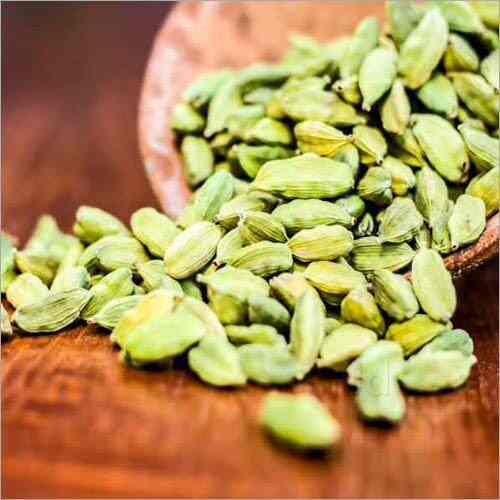
Green cardamom's smell and amazing taste needs no explanation. When you open a pod, it gives a sweet, fresh and a slight spicy smell. You can use it in multiple ways. It is equally flavourful with sweet as well as spicy dishes. Indians use cardamom in tea and elaichi tea is an absolute favorite of every Indian. In the Middle East, it is popularly used for making coffee. Some countries like Sweden, use cardamom in their baking. Cardamom is used not only in food, but also in perfumes, oils and toothpaste because of its distinct fragrance. Very few spices can manage to come into a variety of uses and still keep its flavour intact, that's what cardamom does and that is what makes it unique.
Rising Demand in the Global Market
Green cardamom has always witnessed a global demand and the graph only tends to go upwards. Due to the spice's unique flavour and medicinal properties more people around the world are opting for this natural ingredient. Saudi Arabia, UAE and Kuwait are the top importers of green cardamom but Europe, the US and Pacific regions are also seen as growing markets. The antioxidant, anti-inflammatory and digestive benefits of cardamom have encouraged people to develop cardamom flavoured recipes since more and more people turn to health based diets. To meet the rising demand, cardamom exporters and cardamom suppliers need to focus on quality, eco-friendly farming techniques and timely delivery. This growing market is a long term opportunity for cardamom exporters and suppliers who understand the value of this little green spice.
Ancient Indian Roots
Long before this became popular, cardamom grew wildly in southwestern India, in the shaded rainforests of the Western Ghats. This region was so famous for the plant that the hills were named the Cardamom Hills. The ancient people of India knew the value of the plant very early itself. They recorded its uses in medical and spiritual books back over three thousand years.
Ancient Indians called this wonderful plant green elaichi. It was used in royal cooking and offered to gods during sacred ceremonies. Only wealthy could afford to chew them to sweeten their breath before important meetings. The local kings protected these mountain forests because they knew the wild pods were more valuable than gold.
The Arab Merchants and the Desert Trade Routes
When shipping routes grew across the ocean, Arab traders noticed this popular spice. These brave sailors were the real leaders of the early spice business. They used the changing wind patterns to sail their boats back and forth between the Middle East and the west coast of India.
Traders searching for the finest pods would sail into old Indian ports like Calicut. They swapped incense and bright silver for heavy bags of dried spices.
The Arab merchants brought these pods back to the Middle East where they started using it in Gahwa, which is a special Arabic coffee made to welcome guests.
The sellers kept this shipping path a total secret for hundreds of years. They even made up wild stories about scary sea monsters and dangerous giant birds guarding the spice forests. They did this just to frighten away European rivals who wanted to steal their business!
From Constantinople to the North
In northern Europe, cardamom is found in almost all their baked items. All their traditional sweet breads, holiday buns, and pastries are packed full of this aromatic spice.
This connection started during the time of the Vikings. Viking traders traveled to Constantinople. There, they found green cardamom in the market and brought bags of it back to Scandinavia. Over the centuries, they then kept using this specific green pod, as the definitive flavor of their comfort foods and winter festivals.
Guatemala Takes the Lead
In the early 1900s, a German coffee planter named Oscar Majus Kloeffer took a few plants from India and brought them to Guatemala. The plants absolutely loved the Central American soil and climate. The high altitude and constant mountain mist and rich volcanic earth matched the conditions of the Indian hills perfectly. When a devastating disease hit the local coffee crops, Guatemalan farmers started planting the green pods as a backup plan. Within a few decades, Guatemala surpassed India to become the world's largest exporter of the crop. Today, the network of green cardamom suppliers relies heavily on these Central American mountain farms to feed the global demand, proving that a plant can travel halfway around the world and create a completely new home for itself.
Conclusion
The incredible journey of green cardamom shows how a tiny forest pod can shape human history, connect distant empires, and redefine the food traditions of completely different continents. The global impact this small green pod creates is nothing but huge. Its journey from the shaded plantations to the international markets with utmost care and effort makes it a luxury product. Green cardamom represents culture and economic potential in addition to unique flavour and aroma. Countries like India, Guatemala, Sri Lanka are working hard to keep up with the growing demands of the market. Buyers are also more aware and try to grab cardamom that are fresh, fairly sourced and well packed.
Frequently Asked Questions
1. How should I store high quality cardamom to keep it fresh?
Keep it in an airtight glass jar in a cool and dark place. Never keep it in the fridge. The moisture will ruin the cardamom pods. If stored correctly, the best cardamom can retain its flavor for up to 12 months.
2. Why is the price of cardamom always changing in the cardamom export market?
Cardamom is very sensitive to weather. Droughts or excessive rain can damage the cardamom. This causes sudden inflation. This is why many buyers form long term relationships with steady cardamom suppliers to lock in better rates.
3. Is "bleached" cardamom safe to use?
Bleached cardamom is actually green cardamom itself. It is just that they are treated with sulfur to turn them white. While common in some traditional recipes, it often has lower oil content and a milder flavor than natural high quality cardamom.