- Email Us : export@spicecardamom.com
- Address : Digital Park, Silicon Oasis, Dubai, UAE
- Call : +971522865757

How Cardamom Is Grown, Harvested and Processed
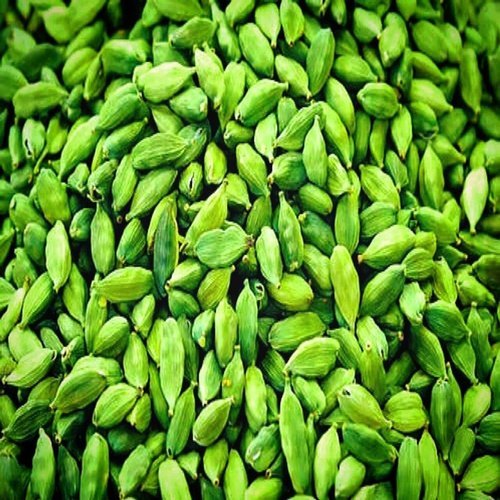
It is well known that green cardamom is called the “queen of spices”. This article explains the step-by-step seasonal journey that this incredible plant goes through every single year in its tropical home. For anyone running a food business, a grocery brand, or an import company, understanding the yearly growth cycle of this crop is the only way to plan your inventory and secure the freshest stock. The amazing smell and immediate warmth of a high-grade pod need no introduction. The second a fresh batch is harvested, its sweet, citrusy scent fills the local trading houses and commands top prices from international buyers. Very few agricultural items are as tied to the rhythms of changing monsoons and specific weather patterns as this mountain plant, making the tracking of its seasonal cycle a fascinating look into traditional farming.
From clearing shade trees in dense mountain forests to running precise, overnight thermal kilns, producing high-grade spice is a patient, high-stakes game. One bad rain pattern, an early harvest, or a delayed curing cycle can instantly ruin an entire season’s work. Understanding how this crop moves from a forest seed to a sealed container gives wholesale buyers and spice lovers a real appreciation for what it takes to bring high-grade inventory to market.
Looking for premium cardamom?
Our team is ready to help you with retail, wholesale, and export inquiries. Contact us today for competitive pricing and reliable supply.
Or email us at export@spicecardamom.com
The Ideal Growing Conditions: Altitude, Shade, and Rain
The seasonal calendar for this unique crop does not follow standard winter or summer rules. Instead, everything revolves around the tropical rain patterns. The cycle begins during the early spring months, when the first light pre-monsoon showers happen.
Cultivation and the Patient Wait for Flowering
During this time, the sleeping root systems under the dark forest soil begin to wake up. For cardamom producers, this is one of the busiest times of the year. This early care ensures that the soil stays soft and spongy, giving the plants the sudden burst of energy they need to start growing their long flowering stems.
The Art of Hand Harvesting at Peak Maturity
When the heavy monsoon rains finally start to slow down in the autumn months, harvest season begins. The pods do not ripen all at once. Workers have to pick them in slow rounds. The harvest takes several months with many separate trips to the fields. They give each chosen pod a quick, gentle twist to snap it cleanly away from the stem. If they accidentally pick a pale, soft pod too early, the small cardamom seeds inside will be flat, white, and completely useless. This intense hand labor requires an incredible amount of human patience and time, but it is the absolute only way to secure a premium load of the best cardamom available on the global market.
Timing the Pick Is Everything
If picked too early: The pods are small, light, and under-filled. They shrink into wrinkled, hollow husks during drying and lack the essential oils that deliver real flavor.
If picked too late: The pods split open right on the vine, dropping their dark inner seeds onto the forest floor and destroying their market value.
Skilled farmhands know how to test a pod’s firmness by gentle pressure. They snap off individual capsules at their exact peak, when the outer skin is firm and plump, and the internal seeds have turned from pale tan to dark brown or black. A single worker spends hours moving through steep, muddy forest terrain, carefully filling shoulder baskets one pod at a time.
The Curing
Now the work shifts from the muddy fields to the specialized drying buildings. To save the harvest, the pods are put in a heated curing room right away. They are spread out in thin, even layers across long wire mesh shelves. Clean and hot air is circulated through the room for twenty four hours. This clears the moisture out. True masters keep the heat perfectly between 45 and 50 degrees Celsius, so that the water content comes down below ten percent. This precise step creates the crisp, bright and high quality cardamom that premium buyers look for.
The Export Window: Shipping the Treasure Worldwide
Once the long drying process is finished, the final stage of the seasonal cycle moves into the global trade houses. The dry pods are poured onto large sorting tables where they are separated by their exact millimeter size and color brightness.
The highest grades are immediately packed into special vacuum sealed, light proof bags to stop the air from stealing their volatile aroma during travel. Understanding this complete journey, from the first spring rains to the final winter shipping containers, allows businesses to align their purchases perfectly with the natural calendar of cardamom export cycles, ensuring they always receive peak freshness.
Conclusion
The yearly cycle of growing cardamom is a mix of traditional human skill and tropical weather. Every single pod in your kitchen or a bakery has survived heavy monsoon rains, careful shade, and slow hand-picking over a whole year. Cardamom stands for hard physical work, old farming wisdom, and a very successful global business, along with its amazing taste. By learning to understand this yearly cycle, international buyers and food companies can make smarter, fairer partnerships with the farmers who supply the world with this wonderful spice.
Frequently Asked Questions
1. Which month of the year yields the absolute highest quality cardamom pods?
The peak quality usually comes from the second and third picking rounds, that happen between October and December. The pods harvested during these will be in larger sizes, brighter green skins, and a much higher concentration of dark, oily internal seeds.
2. Why is traceability so important for cardamom exporters?
Traceability allows cardamom suppliers to quickly identify the source of a problem if a safety issue is discovered. It also satisfies the "Right to Know" demands of modern consumers who want to support ethical and safe cardamom producers.
3. Can I skip the Certificate of Origin if my buyer already trusts me?
No, you cannot skip it under any circumstances. Customs officials do not operate on personal trust. They require the official Certificate of Origin to calculate exact import taxes and to verify that the spice does not originate from a country facing international trade bans or sanctions.