- Email Us : export@spicecardamom.com
- Address : Digital Park, Silicon Oasis, Dubai, UAE
- Call : +971522865757

How is Cardamom used in Cooking and Tea?
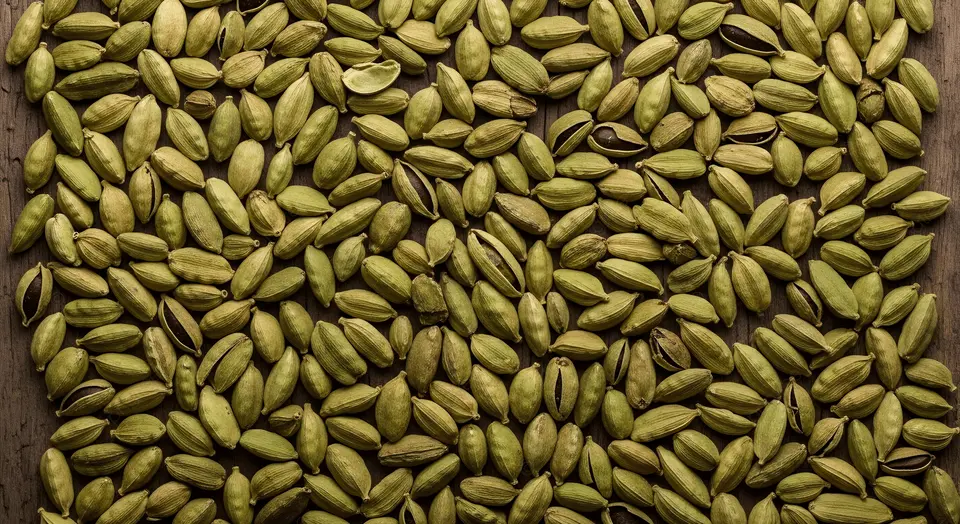
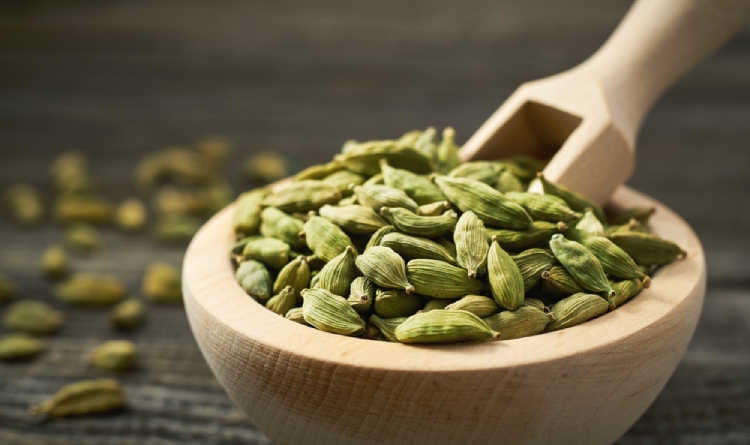
There is definitely a strong reason why cardamom is called the ‘queen of spices’. It has got a magical distinctive flavour that makes every dish from tea to cookies taste a little more special. It is one of the most valuable and widely used spices in the world. Chefs depend heavily on this greenpod to give their recipes a flavour that always linger to the tastebuds of their customers. When you find the best cardamom, you aren't just buying a pod, you are buying an insurance policy for your flavor profile.
Tea and the Power of Elaichi
The scent of Elaichi hitting boiling water is unmistakable. To get the best cardamom flavor in your tea, you should not be just "dropping a pod in". The secret that cardamom producers know is that the magic is in the black, sticky seeds.
When making a traditional chai, you want high quality cardamom that has been slightly crushed. You want those oils to bleed into the milk and water. This is why cardamom exporters prioritize the "Bold" grades—the bigger the pod, the more surface area for those oils to develop. In 2026, we are seeing a massive surge in cardamom export specifically for the beverage industry. People are moving away from synthetic syrups and going back to the source. A single pod of high quality cardamom can do more for a cup of Earl Grey or a strong Assam tea than a spoonful of sugar ever could.
Cooking with the Queen: From Savory to Sweet
In the professional kitchen, cardamom is the ultimate "secret weapon." Most people think of Elaichi as a sweet spice, something for cookies or buns. But if you talk to the cardamom suppliers who provide for high-end restaurants, they’ll tell you that the savory applications are where the real complexity lies.
Cardamom producers often highlight that the spice contains cineole, which provides that "zingy" lift to savoury dishes. If you are using the best cardamom, you’ll notice that it doesn't just taste "spiced", it tastes balanced.
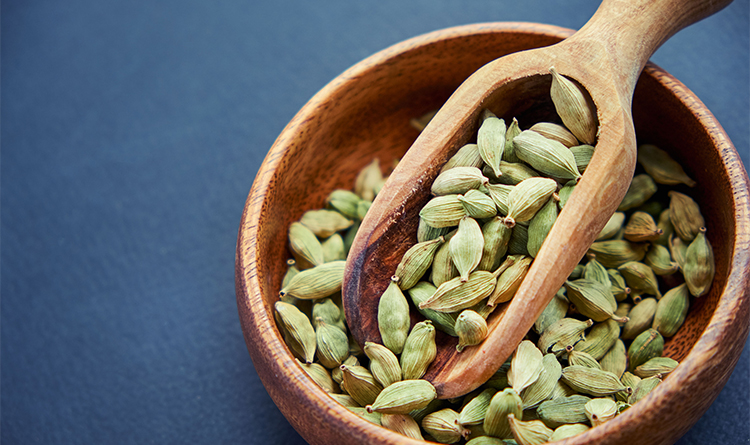
For those of us at home, the trick is to treat cardamom like a precious resource. Because cardamom export prices are high due to the labor-intensive harvest, you don't want to waste a single grain. Many cardamom suppliers recommend lightly toasting the pods before you even open them. This wakes up the volatile oils that have been dormant since they left the hands of the cardamom producers. Once toasted, the Elaichi aroma becomes almost hypnotic.
Why the Source Matters: The Role of Cardamom Exporters
You might wonder why there is such a fuss about where your cardamom comes from. Why are cardamom exporters so specific about "origin" and "grade"? It’s simple: cardamom is a product of its environment. The best cardamom usually comes from high-altitude regions with heavy rainfall. This is why cardamom export from the Western Ghats of India remains the gold standard.
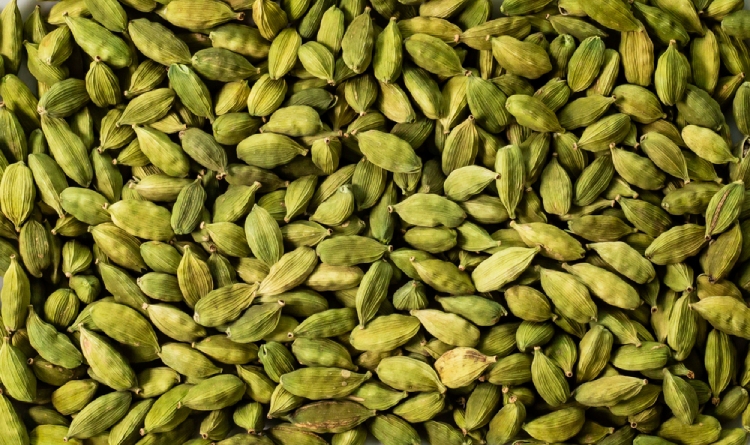
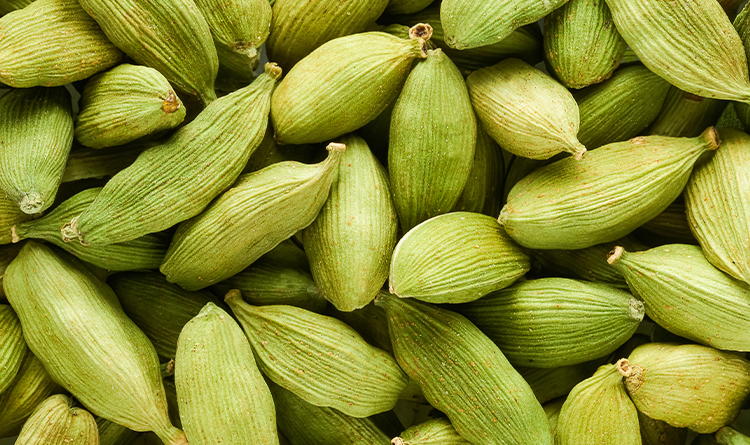
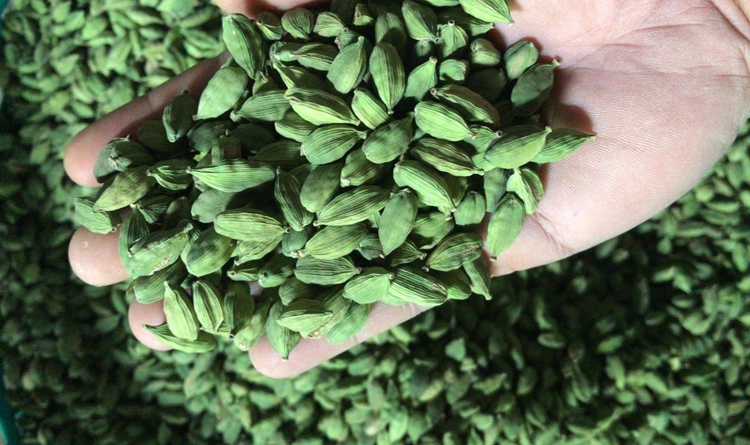
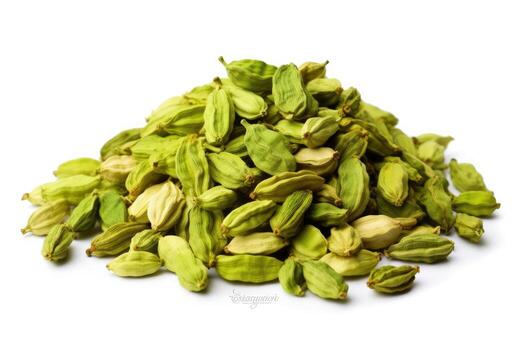
When you buy from reputable cardamom suppliers, you are paying for the "boldness." A 7mm or 8mm pod isn't just bigger; it’s more mature. Cardamom producers have to wait for the exact moment of ripeness to pick these, and that precision is what determines if you’re getting high quality cardamom or just green husks. If you’ve ever bought a cheap bag and found the seeds inside were white and shriveled, you weren't using the best cardamom. You were using an immature crop that escaped the quality control of top-tier cardamom exporters.
Identifying the Best Cardamom
Cardamom producers are now facing challenges with climate change and this makes high quality cardamom even more expensive. This is why cardamom export is so strictly regulated. When you find the best cardamom, treat it like gold. Keep it in a dark glass jar. Don't put it near the stove where the heat will kill the oils.
CONCLUSION
High quality cardamom is expensive because it is difficult to grow and impossible to automate. It has become an irreplaceable ingredient in many kitchens.The Indian cardamom is the best cardamom in the market and no wonder it is the best choice for global buyers in 2026. The cardamom suppliers are also reliable because of their consistency in delivering high quality cardamom. A professional baker or just someone who loves a good cup of spiced chai, those large, heavy and vibrant green cardamom truly makes a difference.
Frequently Asked Questions
Why is the best cardamom so expensive?
The price is high because of the labor. Cardamom producers have to hand pick every single pod because they each cardamom ripen at a different time. You can't use machines for high quality cardamom. This intense manual labor, combined with the logistics of cardamom export, keeps the price high.
Can I use the husks of the Elaichi?
Absolutely. While the seeds have the most flavor, the husks have the most aroma. Don't throw them away. Put them in your sugar jar or your coffee grounds. Even after the cardamom exporters have processed them, those husks hold a lot of "scent memory."
How can I tell if my cardamom suppliers are giving me fresh stock?
Check the color and the "snap." If you press a pod and it crumbles into dust and no zingy smell, you can be sure it’s old. High quality cardamom will be a little plump and the seeds inside should be dark and a bit sticky.
What is the difference between green and black Elaichi?
This is a very common confusion for people. Green is the one used for sweets, tea, and delicate savory dishes. Black cardamom is dried over flames, giving it a smoky flavor. Cardamom exporters usually treat them as two entirely different markets.
Why should I avoid pre-ground cardamom?
Because you are paying for the ghost of a spice. The moment high quality cardamom is ground, the oils start to evaporate. By the time it reaches you, the "soul" of the Elaichi is gone. Buy whole pods from the best cardamom sources and grind them yourself for a 10x better experience.