- Email Us : export@spicecardamom.com
- Address : Digital Park, Silicon Oasis, Dubai, UAE
- Call : +971522865757

How to Avoid Low Quality Green Cardamom
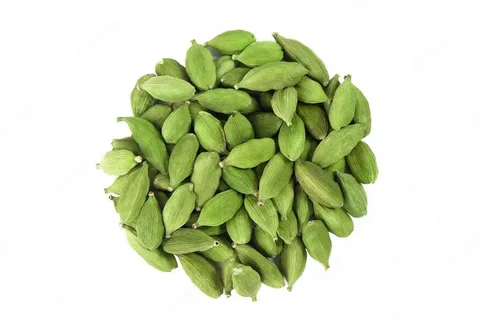
If you are a serious food manufacturer, an artisanal baker, or a premium beverage brand manager, you know that your product is only as good as the raw ingredients you buy. Among the luxury commodities on the global market, few require as much financial investment and sensory checking as cardamom. When a shipment is fresh and high-grade, its intense, minty-citrus punch can carry an entire product line to success. However, because this tropical harvest commands such a high market price, it is a frequent target for corner-cutting, poor processing, and flat-out trade deception.
For an ingredient buyer, learning how to spot low-quality inventory is a vital shield for your company. Sourcing the best green cardamom means looking far beyond simple price sheets and glossy brochures. You have to understand the physical and chemical warning signs of an old or damaged harvest, know how to test the internal seeds, and understand how the global supply network operates. Failing to spot an inferior batch before you sign a purchase contract can jam your expensive processing machinery, alter your secret recipes, and completely alienate your customer base.
Looking for premium cardamom?
Our team is ready to help you with retail, wholesale, and export inquiries. Contact us today for competitive pricing and reliable supply.
Or email us at export@spicecardamom.com
Reading the True Story of the Outer Shell
When a bulk sample arrives on your inspection table, your quality control team must look past the initial visual display. A major warning sign of low-grade inventory is a pale, washed-out yellow or dull gray exterior.
To secure an elite batch, you want to see a uniform, natural green color across the entire lot. This presentation proves that the pods were picked at the absolute peak of maturity and dried slowly at safe, controlled temperatures. However, you also have to be on high alert for unnatural perfection. If a sample looks suspiciously bright, almost like a neon cartoon, there is a very high probability that an untrustworthy middleman washed the fading, old pods with illegal chemical dyes like Malachite Green to mimic a fresh green cardamom delivery. Biting into or chemically testing a suspicious shell is the only way to ensure your brand avoids a catastrophic safety recall caused by artificial colorings.
Physical dimensions also serve as an immediate indicator of total grade value. Premium batches are strictly sorted using mechanical grids into sizes ranging from seven to eight millimeters or larger. If your bulk sack is full of tiny, cracked, or lightweight pods measuring under six millimeters, you are dealing with inferior tailings. These small pods contain a high ratio of empty space and fiber, meaning you will have to use double the volume on your production line just to achieve a basic level of flavor, completely wrecking your raw material budget.
Cracking the Pod: Checking Internal Seed Metrics
The true metric of flavor potency does not actually reside in the visual beauty of the green outer husk. The real prize sits hidden away inside the pod walls, and that is where your team must direct their analytical tools. When you crack open a premium pod, you should find tight dark brown to black green cardamom seeds. These seeds should feel slightly sticky and oily when you rub them between your fingers. If you split open a low quality pod and find pale white dry seeds inside, the batch is literally dead. Using these seeds in your factory recipes will result in a woody taste that artificial flavorings can never salvage.
Furthermore, bad batches are often padded with empty pods, commonly known in the agricultural trade as "blacks" or "thrips." These are pods that look decent from the outside but were hollowed out by microscopic insects while growing on the bush. Top tier green cardamom suppliers use precise weight-sorting air columns to blow these empty shells away from the heavy, seed-filled pods. If your supplier skips this mechanical sorting step to save on labor, you end up paying a premium per-kilo price for lightweight, empty air.
Managing the Hidden Enemy: Warehouse Moisture
When you are purchasing agricultural commodities by the metric ton, water content is a technical detail that will make or break your business. After the pods are picked by hand from the jungle floor, they are loaded with natural fluids. They must be dried immediately inside heated curing rooms until their internal moisture drops to a stable window between ten and twelve percent.
If an amateur producer or a deceptive trader leaves the moisture level higher, say around fourteen or fifteen percent, simply to make the cargo weigh more on the delivery scale, you are facing a logistical disaster. When damp pods are packed tightly into heavy plastic sacks and loaded into a metal shipping container for a multi-week ocean journey, the internal humidity creates a tropical greenhouse effect. The high heat of the ship's hold combined with the trapped water causes fuzzy white mold to bloom across the green elaichi lot within days. By the time your warehouse crew cuts open the container seals at your factory, the entire shipment will be a rotten, hazardous block of waste.
To avoid this nightmare, your procurement contracts must state a firm, non-negotiable maximum moisture cap. Your receiving team should use digital pin meters to check random core samples from every single pallet before accepting the delivery. Investing in a quick, five-minute moisture test at the loading dock prevents you from contaminating your clean storage facility with destructive mold spores.
Sourcing and Supply Chain Verification
Avoiding low-quality spices requires you to step away from the open spot markets and build a completely transparent supply chain. The global trade for this crop is filled with unverified brokers who buy old, mixed lots from various uncertified farms, combine them into single containers, and sell them to unsuspecting foreign brands under premium labels. When you buy from these chaotic sources, you lose all flavor consistency. To protect your brand, you need to form direct contracts with established cardamom exporters who manage their own processing facilities and washing stations. These large scale operations can provide clear, audited paperwork tracing your specific batch from the farming cooperative straight to the export dock.
Conclusion
Avoiding low-quality green cardamom requires a strict, metric-driven approach to your raw material procurement. You cannot afford to run a premium brand by chasing the lowest wholesale price on the market. By implementing rigid laboratory checks for natural oil percentages, holding your suppliers to strict millimeter size minimums, using digital moisture meters at your loading docks, and working exclusively with transparent exporters, you completely eliminate the financial risks of product loss.
Frequently Asked Questions
1. Why are cardamom prices so high in early 2026?
There has been a drop in the production of cardamom in Guatemala due to bad weather. This created a global shortage. Cardamom production is a labor intensive task and mostly high quality cardamom is hand harvested, so cardamom producers cannot somehow instantly produce overnight to meet the deficit.
2. Should I toast the pods before using them?
If you do that, you get a better taste because it wakes up the oils in cardamom. Do not roast for a long time, fresh green cardamom burns easily. Tossing just for 30 seconds in a pan will do.
3. What is the difference between green and black cardamom?
They are actually different species. Green cardamom is sweet and floral but while black or large cardamom is smoky and earthy. Nepal is the leading producer of the black variety, while India and Guatemala lead in the green cardamom.
4. Why is my cardamom powder white?
If you buy cheap pre-ground green cardamom spices, they often grind the whole pod, husk and all. This makes the powder look light green or white and significantly dilutes the flavor. It's another reason to always grind the seeds yourself.