- Email Us : export@spicecardamom.com
- Address : Digital Park, Silicon Oasis, Dubai, UAE
- Call : +971522865757

How to Source Premium Cardamom for Your Brand
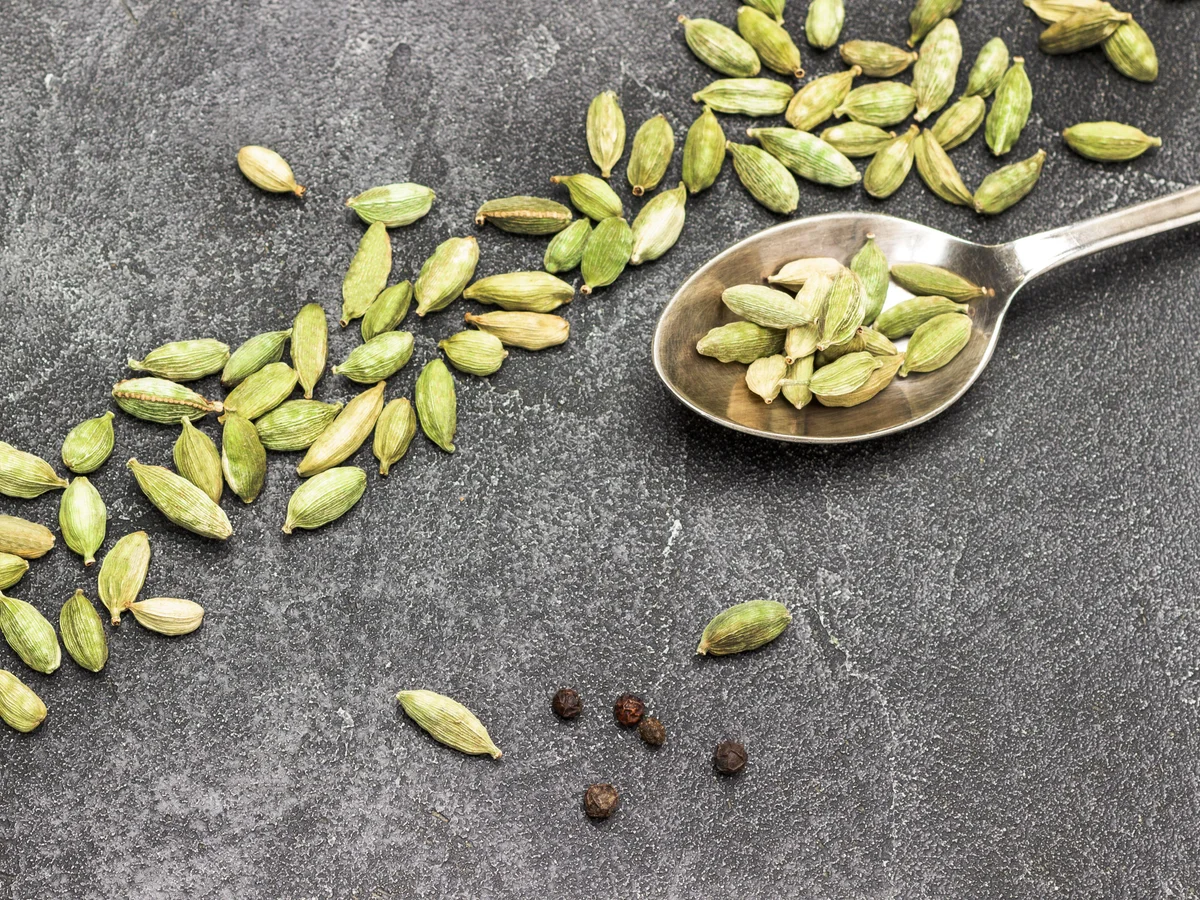
If you want to build a truly premium food, drink or wellness brand, you quickly realize that your entire business lives or dies by the quality of your raw ingredients. And cardamom is the secret foundation behind world class baking, high end perfumes and traditional herbal remedies. But getting hands on high quality cardamom is a long and often confusing journey for a business owner. You need to know how the pods are sized, how regional weather changes the oils, and how the international shipping system actually works. To keep your customers happy and protect your bank account, you have to learn exactly how to spot premium inventory and avoid the common traps of the wholesale trade.
Looking for premium cardamom?
Our team is ready to help you with retail, wholesale, and export inquiries. Contact us today for competitive pricing and reliable supply.
Or email us at export@spicecardamom.com
The Physical and Chemical Checks You Need to Know
When you are judging a sample from a new supplier, you cannot just look at the outside of the bag and assume everything is fine. True premium quality comes down to exact physical measurements that your team must check by hand. The first thing to look at is the actual diameter of the pods, which is measured strictly in millimeters.
In the global marketplace, the top-tier classification is the Extra Bold grade. This category consists of plump, fully mature pods that measure eight millimeters or larger. These are very expensive because they look stunning on retail shelves and contain the highest volume of seeds. For standard high-end packaging, pods between seven and eight millimeters offer a great balance of beauty and weight. Anything smaller than six millimeters is usually pushed into industrial grinding machines, where the appearance of the outer shell does not matter.
However, a bright green shell is not enough. It should have dark brown or deep black seeds that feel slightly sticky to the touch. That stickiness is proof of a high concentration of essential oils in them. Moisture control is another critical metric you have to monitor closely. When exporting across the ocean, the water level inside the dried pods must sit strictly between eleven and twelve percent. If not, by the time the container arrives at your warehouse, the entire load will be ruined.
Mapping the Global Supply Chain
Securing a steady supply of top-tier agricultural goods means you have to build direct relationships with networks in the main growing regions. The global trade for this specific crop revolves around two major country networks, and each one offers different benefits for your business layout.
India is the historical and qualitative home of elite spice production. The high-altitude plantations in the misty southern mountains produce a crop that is world-famous for its deep flavor complexity and heavy oil percentages. When dealing with Indian cardamom suppliers, luxury brands specifically look for the Alleppey Green classification. The trade system there is highly organized and uses a digital auction setup run by government authorities. This structure ensures that pricing stays transparent and grading stays fair. If your brand is focused entirely on premium taste and artisanal quality, making long-term deals with certified cardamom producers in these mountain regions is the best path forward.
On the other side of the ocean, Guatemala has become the largest volume shipper on earth. Even though the plant is not native to Central America, the tropical climate there is absolutely perfect for large-scale farming. Established Guatemalan cardamom exporters usually offer very competitive pricing and incredible visual consistency because their factories use high-tech optical sorting machines to separate colors. For a brand that needs massive amounts of uniform green pods for clear packaging, these Central American networks provide a fast and highly efficient logistics solution. Many smart brands actually choose to split their buying budgets between both countries, using two separate streams to protect themselves from local droughts or sudden trade tax changes.
Spotting Scams and Ensuring Purity
This spice is very valuable and hence it is a frequent target for trade fraud and deceptive mixing. The most common trick in the market is the use of artificial color. Untrustworthy traders sometimes wash low-grade pods with industrial green chemical dyes to make them look like a fresh, premium harvest. You must ensure by demanding a verified chemical report from an independent laboratory for every shipment. This paperwork needs to prove the batch has zero artificial dyes, has a natural oil level of at least three and a half percent and is completely free from dangerous bacteria like Salmonella.
A reliable exporter will also show you documentation that the bags directly come from the local farming cooperative or drying station straight to the shipping port. If your brand uses labels like Organic or Fairtrade to justify a higher price point to your customers, you have to verify that every middleman in your supply chain holds active, matching certificates.
Conclusion
Sourcing elite agricultural ingredients is a tough task that requires you to look past cheap price tags and focus on real technical standards. By testing your inventory for real oil percentages, keeping a close eye on millimeter sizing, and choosing partners who invest in high-barrier shipping bags, you protect your brand from costly production mistakes. Taking the time to build a clean, transparent supply chain ensures your recipes taste exactly the same throughout the year.
Frequently Asked Questions
1. What is the native name for cardamom in South Asia?
In South Asia, particularly across India, the spice is universally known as Elaichi. You will see this specific name used constantly in regional trade markets, farming auctions, and traditional recipe books.
2. How do changes in regional monsoon patterns affect long-term sourcing budgets?
Unpredictable weather or late tropical rains disrupt the flowering cycle of the plant, which heavily cuts down the amount of large, premium pods available at harvest. This immediate supply drop causes wholesale prices to spike rapidly at the auctions, which is why many brands use fixed contracts to lock in their prices before the season starts.
3. What are the primary signs of storage degradation that quality teams should look for?
The biggest warning signs are a noticeable fading of the deep green color into a dusty yellow and shells that feel brittle and crack open under light pressure. On a chemical level, an old batch will show a massive drop in its internal oil percentages, causing the spice to lose its sharp, minty punch and smell like flat grass.