- Email Us : export@spicecardamom.com
- Address : Digital Park, Silicon Oasis, Dubai, UAE
- Call : +971522865757

What Are the Biggest Problems Facing Cardamom Sellers Today?
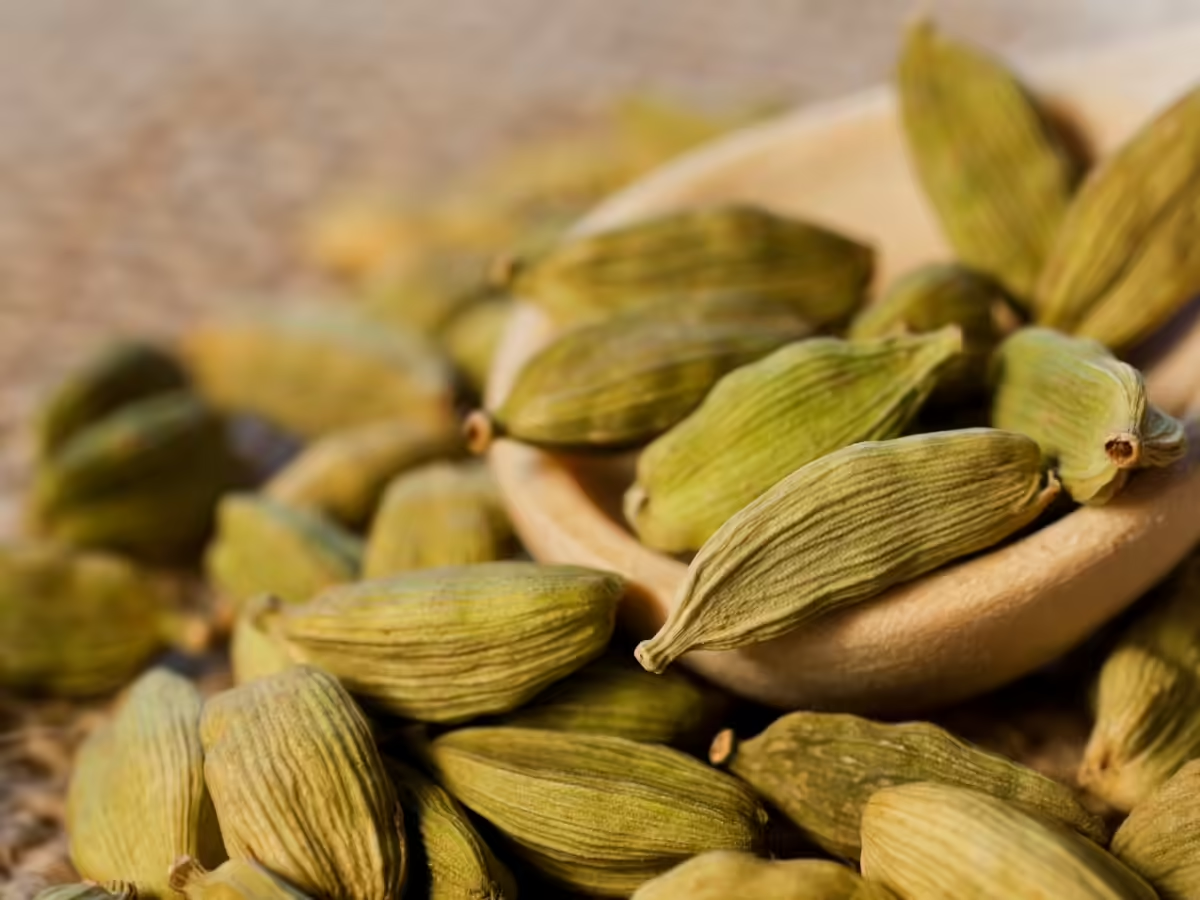
The green cardamom, also known as Elaichi, is a superstar in the food world. It is one of the most expensive and most-wanted spices on the planet. But if you are one of the cardamom exporters or cardamom suppliers who try to bring the best green cardamom from the farm to the customer, you face huge challenges every single day.
The business of cardamom export is a risky one. The problems start right where the plant is grown and continue all the way until the spice is delivered. We will discuss the four biggest hurdles cardamom suppliers and exporters must get over to succeed in the green cardamom industry.
Problem 1: The WeatherGreen cardamom is a very sensitive spice. It needs the right kind of weather. Green cardamom also needs the right amount of rain at the right time. Today, the weather is totally unpredictable and cardamom suppliers are struggling to get high quality cardamom.
The biggest worry for everyone is climate changing. It means the same growing regions that produced high quality cardamom for decades are now seeing sudden disasters.
When there is no rain when the plant needs it most, the flowers die, and no pods grow. This is what leads to the entire supply of the best cardamom suddenly dropping.
If it rains when farmers are trying to dry the spice, it results in a disaster, the pods of green cardamom get too wet and rot quickly.
This unstable weather directly hurts the cardamom producers. When they can't grow a stable crop, the cardamom suppliers can't keep their promises to buyers overseas. This is why the price of the best cardamom can jump up and down so much—it’s driven by sudden good or bad luck with the weather.
Growing green cardamom is not easy work. It requires people to pick the pods by hand because machines can't do it.
The cost of hiring skilled workers for this delicate job is constantly going up. These high costs mean the final price of the Elaichi also becomes high.
Most of the time, the small cardamom producers sell their crop to several people before it reaches the big cardamom exporters. This long chain of people makes it more expensive and makes it hard to check the quality at the source of cardamom.
Problem 2: Strict Global Rules on Cleanliness and SafetyAny cardamom exporters selling to rich markets like the US, Europe, or Saudi Arabia have to deal with very tough food safety rules. These rules are getting stricter every year. Several times entire container ships of cardamom are sent back or destroyed because they have pesticides and are not high quality cardamom.
Importing countries have clear, strict limits on how much chemical residue is allowed on the cardamom. If a shipment goes even slightly over that limit, it is rejected immediately. This causes massive financial loss for the cardamom suppliers.
To deal with this, cardamom sellers must constantly test their cardamom in expensive, independent labs. They need to prove with paperwork that their cardamom is clean and safe and is of high quality. This testing process adds a lot of time and money to every single cardamom export order.
Because cardamom is so expensive, some dishonest traders try to cheat by mixing in cheaper spices or selling old, faded pods. Cardamom exporters have to spend money on advanced systems to track the spice from the farm to the port, proving that their product is 100% pure high quality cardamom.
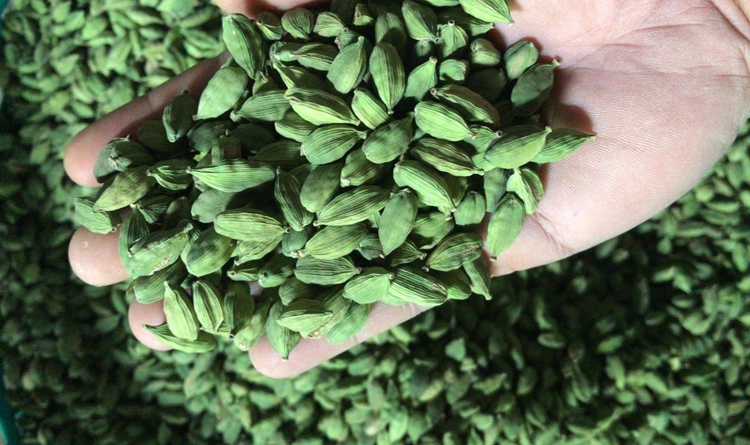
The high quality cardamom must be a vibrant green color, which shows it was dried quickly and correctly. Any seller of the best cardamom must maintain this perfect appearance during the long shipping process.
Problem 3: Price Range of Competitor Cardamom SuppliersThe global cardamom market has two types of spice- the cheaper, high volume production from Guatemala, and the high quality cardamom from places like India.
Guatemala grows the largest share of the world’s cardamom and sells it at a lower price than the traditional cardamom suppliers.
Many large food companies and big cardamom importers choose the cheaper Guatemalan cardamom because they buy in huge amounts, and every cent saved makes a difference to their bottom line. They choose price over the powerful aroma of high quality cardamom.
This puts pressure on cardamom exporters who sell the traditional, high quality cardamom. They have higher costs for labor and better drying methods to make the best cardamom, and it's hard for them to compete when the market price is being driven down by cheaper alternatives.
If the value of the cardamom seller's local money changes suddenly, the profit they thought they made on a big cardamom export deal can vanish overnight. This adds huge financial risk to every contract signed by cardamom suppliers.
Problem 4: The Need to Change and AdaptTo survive in this market, cardamom exporters can't keep doing things the old way. They must invest in new methods and new products. The cost of upgrading cardamom farms and warehouses is a huge expense that most cardamom sellers face.
To get that perfect green color of high quality cardamom and keep the maximum amount of flavor, cardamom producers need modern, expensive curing houses (dryers). Traditional sun drying ruins the quality of the best cardamom.
Investing in digital systems to track cardamom from the field is a major cost, but it's now essential to prove the origin and safety of the Elaichi to international buyers. The only way to win the price war is to sell special, high quality cardamom.
Cardamom exporters are now selling special items, like only the cardamom seeds or selling specialized products like small consumer packets of best cardamom instead of just large, unbranded bags. This "value-added" approach helps them charge a higher price and makes their business safer.
CONCLUSIONThe business of selling the Queen of Spices is complex and demanding. The cardamom exporters who succeed today are not just lucky; they are constantly finding solutions to the huge problems of unstable weather, strict safety rules, and fierce price wars.
By constantly working to improve quality, guaranteeing the safety of their high quality cardamom, and investing in modern ways of doing business, the best cardamom suppliers are fighting to keep the cardamom export trade stable and profitable for the future.