- Email Us : export@spicecardamom.com
- Address : Digital Park, Silicon Oasis, Dubai, UAE
- Call : +971522865757

Questions to Ask Green Cardamom Suppliers Before Placing a Bulk Order
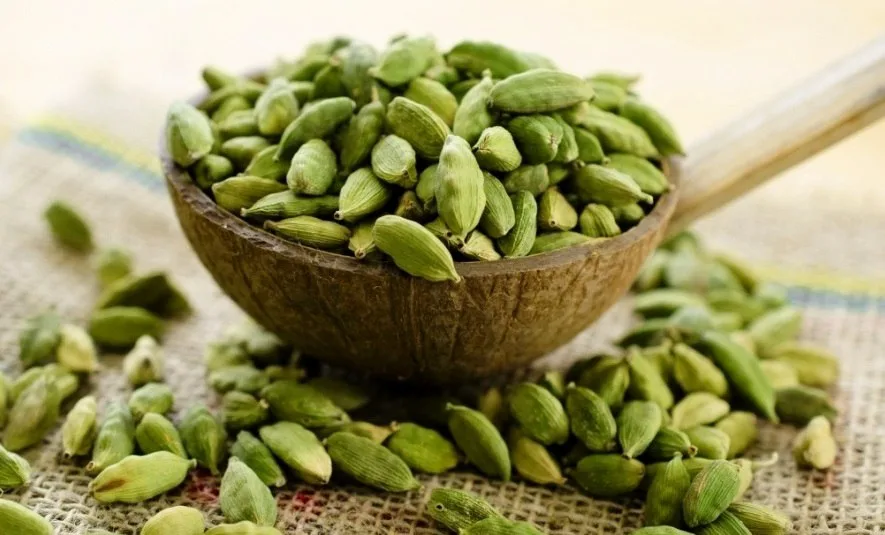
Buying green cardamom in bulk is a heavy investment and if you are not careful, hefty loss is the result. Things quickly can go sideways. When prices are high, the gap between top-tier stock and sub-par batches gets wider, and low grade inventory will wreck your processing runs or leave you stuck with product your buyers reject.
Before you release a deposit or open a letter of credit, you have to treat vendor vetting like an audit. Exporters who take pride in their processing will gladly hand over lab sheets, lot numbers, and precise specs. The ones who dodge technical details or try to sell you on vague promises are usually covering up mixed grades or old crop. Getting straightforward answers to a few specific questions will save you from expensive port delays and ruined inventory.
Looking for premium cardamom?
Our team is ready to help you with retail, wholesale, and export inquiries. Contact us today for competitive pricing and reliable supply.
Or email us at export@spicecardamom.com
Where Was This Crop Grown, and What Grade Are You Delivering?
The term green cardamom covers a wide spectrum of quality, flavor profiles, and physical sizes. Pods coming out of the Western Ghats in India carry a deep, complex aroma with high natural oil levels. Product from Guatemala is known for uniform sizing and clean sorting. They also have consistent bright visual appeal due to large scale mechanical drying facilities. You need to know exactly where the product was harvested so you can anticipate how it behaves in your formulations or on retail shelves.
Beyond regional origin, you must pin down the physical grading specs. Exporters sort pods by millimeter diameter, usually spanning from 6mm up to 8mm+ Extra Bold lots.
Be direct with your vendor about the breakdown:
- What exact percentage of the delivery hits your minimum millimeter size threshold?
- Are you paying for uniform, plump pods, or is the seller mixing smaller secondary cuts into the batch?
- Is this stock from the most recent harvest, or is it old inventory carried over from a previous crop cycle?
If you do not set strict size standards upfront, suppliers might mix smaller, lower-value pods into bulk cartons to stretch their volume.
What Is the Tested Moisture Content at the Point of Packing?
Moisture levels make or break agricultural shipments. If the pods have too much water, rapid mold growth and sour odors occur. And if the crop gets over dried, husks shatter into pieces during transport and lose the volatile oils tucked inside the seeds. The green cardamom suppliers should be able to provide a moisture report from a trusted testing lab for the specific lot you are buying.
It is also smart to ask how the crop was cured. Thermal kilns with forced warm air give you a stable, even moisture in massive batches. Traditional open fire drying setups often leave uneven moisture levels throughout the lot and can make the pods with a smoky scent that ruins delicate food applications.
What Are the Essential Oil Levels and Pod Fill Rates?
The dark, sticky green cardamom seeds have the aromatic compounds that give the spice its sharp and warm flavor. Ask vendors for recent lab analysis showing the oil yields of the lot you are buying. Premium ones will have between 5.5% and 8% essential oil content by weight. Anything below 4% is old or harvested before reaching full maturity.
Do not forget to ask about pod fill rates, either. Ask the exporter what percentage of the total weight consists of fully formed seeds versus light, empty husks.
How Do You Guarantee Pesticide and Chemical Compliance?
Get clear answers on safety testing before shipping:
- Which independent laboratories handle your chemical residue panels?
- Can you provide certificates showing maximum residue limit (MRL) compliance for my destination country?
- Do you screen batches to verify the absence of artificial food dyes?
Some lower tier processing facilities treat faded or yellowing pods with green chemical dyes to pass them off as fresh green cardamom. Regulators ban dyed agricultural products, and shipments caught with artificial color get rejected immediately. Make sure your supplier certifies that the vibrant green color comes purely from proper temperature control during curing.
What Packaging Setup Are You Using for Ocean Transit?
Shipments moving by sea experience wild temperature swings inside dark steel containers. That air movement creates container sweat, where water drops condense on container ceilings and drip straight down onto pallets.
Inquire about both primary bags and outer cartons. Leading exporters move green cardamom spices using multi layer aluminum vacuum bags or heavy barrier liners, which are heat sealed before putting into cardboard boxes.
If you are importing green elaichi over long ocean routes, avoid single-layer plastic bags or traditional woven sacks. Ask if the exporter flushes the inner barrier bags with nitrogen gas. Removing ambient oxygen stops natural oil breakdown and prevents the green husks from dulling over long transit times.
Will You Send Pre-Shipment Samples From My Assigned Lot?
Never approve a bulk purchase based on generic room samples handed out at trade shows. A vendor might show you perfect elaichi green cardamom from a small showcase batch, then fulfill your main order using mixed grades from different farms.
Put a clause in your purchase agreement requiring a pre-shipment sample drawn directly from the bagged lot set aside for your order. Once that sample arrives, run it through your own quality checks:
- Pop open several pods to check seed color, sticky texture, and aroma strength.
- Check the husks under good light for split skins, insect marks, or broad color shifts.
- Check pod diameters with calipers to confirm the millimeter size matches your contract.
Only authorize final payment terms after your internal team signs off on that pre-shipment sample.
Physical quality is critical, but commercial terms dictate how smoothly the transaction runs. You need total clarity on operational timelines before signing off on purchase orders.
Ask how much lead time the vendor needs from contract signing to dock delivery. Harvesting top-grade best green cardamom, running lab panels, and clearing export paperwork takes time. An unexpected three-week delay at the loading dock can knock your production lines offline.
Conclusion
Sourcing agricultural products at scale comes down to clear communication and verifiable facts. By asking direct questions about pod size distribution, moisture management and barrier packaging, you protect your capital and keep low grade stock out of your warehouse. Taking time to vet suppliers thoroughly ensures your business receives fragrant, full-strength stock that keeps your downstream customers coming back.
Frequently Asked Questions
1. What is the standard pod size for commercial orders?
Commercial buyers generally look for pod sizes between 7mm and 8mm+ in diameter. These larger sizes carry higher seed density, better essential oil percentages, and strong visual appeal for retail packs.
2. Why is moisture testing so important before shipping?
Internal moisture above 12% triggers mold growth and rots stock inside sealed containers. If moisture drops below 8%, husks turn brittle and shatter into empty hulls during handling.
3. How can I spot artificially colored pods?
Dyed pods show an unnaturally uniform, bright green shade that often bleeds off onto damp paper towels. Naturally cured husks display subtle shade variations across the skin without leaving color residue behind.
4. What essential oil yield indicates strong quality?
High grade ones yield between 5.5% and 8% essential oil by weight. Stronger oil percentages deliver richer aroma profiles and longer shelf life in food manufacturing.