- Email Us : export@spicecardamom.com
- Address : Digital Park, Silicon Oasis, Dubai, UAE
- Call : +971522865757

How to Choose the Best Quality Cardamom for Export and Retail
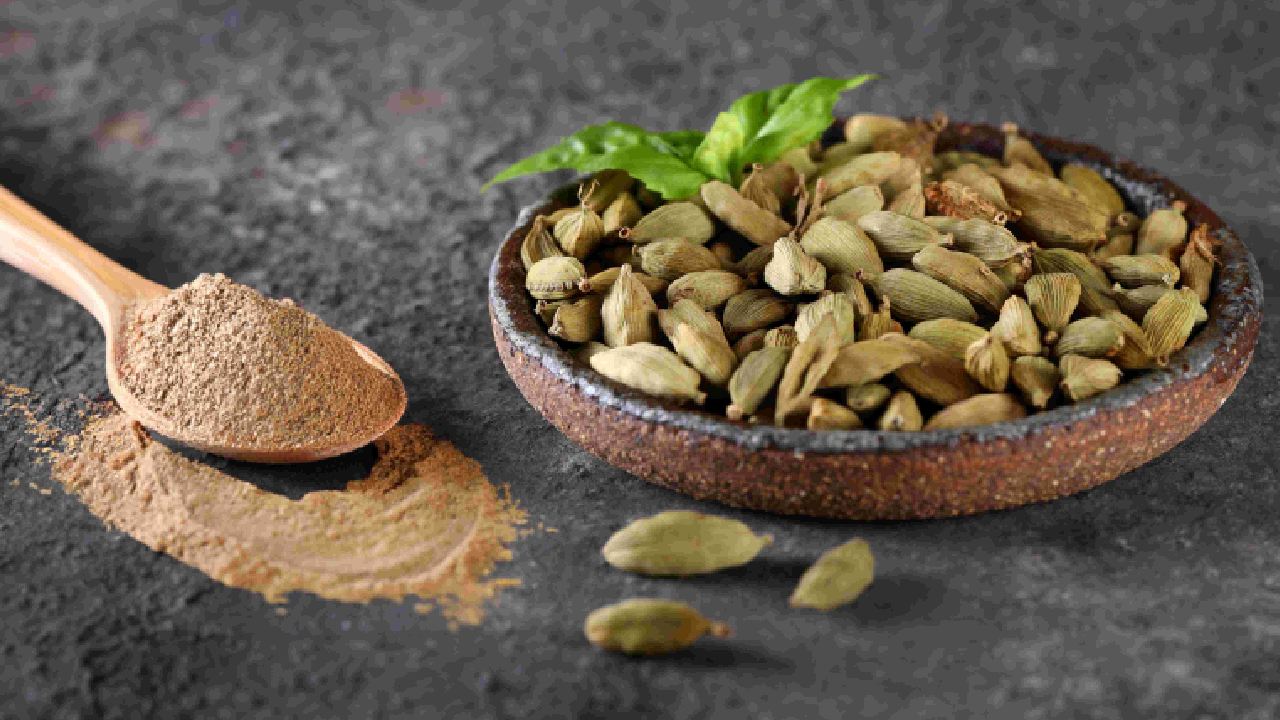
Cardamom, often dubbed the “Queen of Spices,” is one of the most prized spices in the global market, known for its rich aroma, distinct flavor, and diverse culinary and medicinal uses. Whether you're a retailer or an international buyer, choosing the best quality cardamom is not just a matter of taste — it's a critical decision that affects consumer satisfaction, brand reputation, and profitability.
For exporters and distributors alike, the key to success lies in understanding how cardamom is produced, graded, and handled at every stage — from farm to final packaging. As one of the world’s leading cardamom suppliers, we aim to guide you through the significant factors that help you identify superior-quality cardamom and ensure consistent standards across your supply chain.
1. Understand Cardamom Production
The journey to premium-quality cardamom starts in the plantations where it is grown. The quality of the spice is heavily influenced by the altitude, soil quality, climate, and farming practices used during cultivation. Most of the world’s finest green cardamom is produced in regions like India, Guatemala, and Sri Lanka.
Organic and sustainable farming practices tend to yield cardamom that is richer in essential oils — the main contributors to its aroma and taste. Pay close attention to the cardamom production methods used by growers. Cardamom harvested at the right stage of maturity and dried promptly in hygienic conditions typically retains its color, flavor, and aroma for longer periods.
2. Types of Cardamom
Cardamom is normally available in two main types — Green Cardamom and Black Cardamom. Green cardamom is the more popular variant for culinary and medicinal use, especially in Middle Eastern, Indian, and European markets.
The quality is categorized based on size, color, and aroma. For instance:
8 mm and above: Premium export grade
6–7 mm: Medium grade, suitable for retail<>/p
Below 6 mm: Normally used for grinding or oil extraction
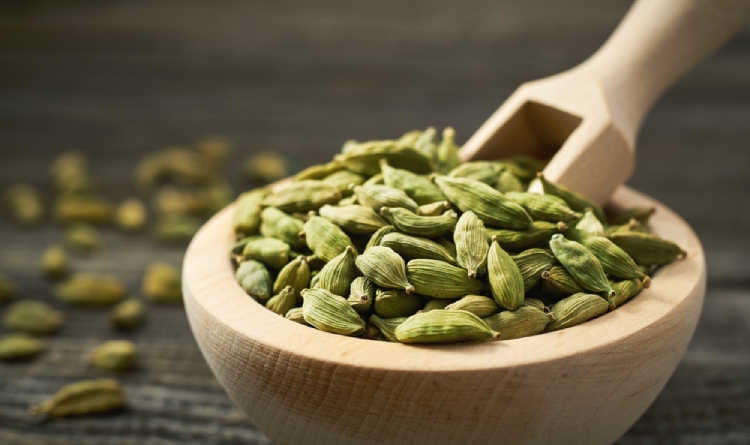
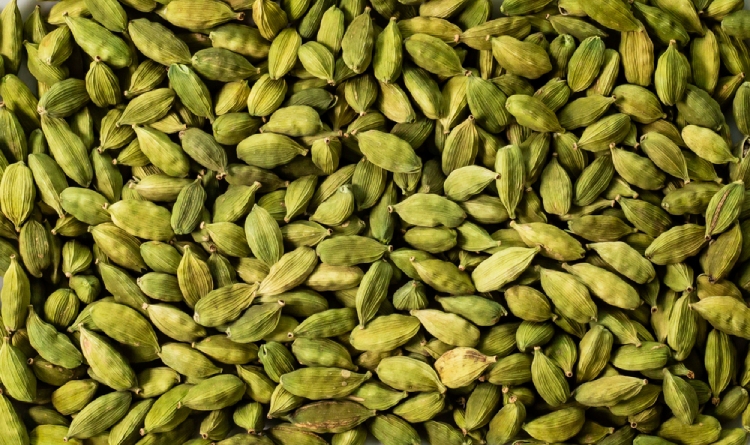
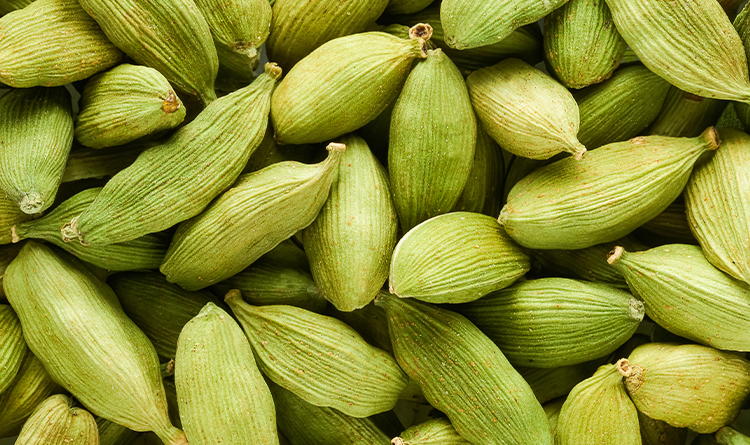
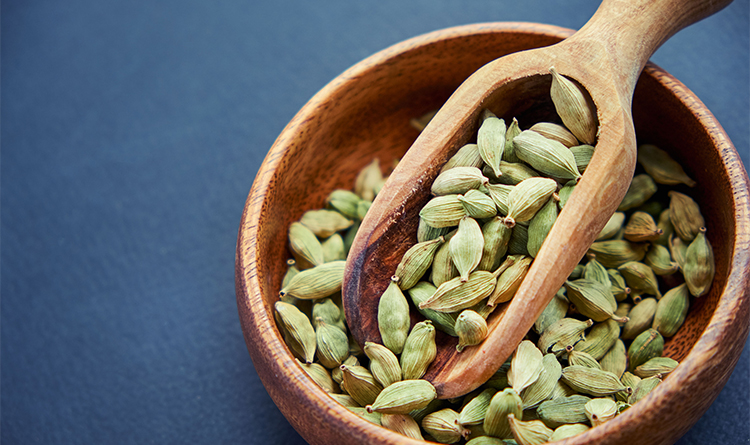
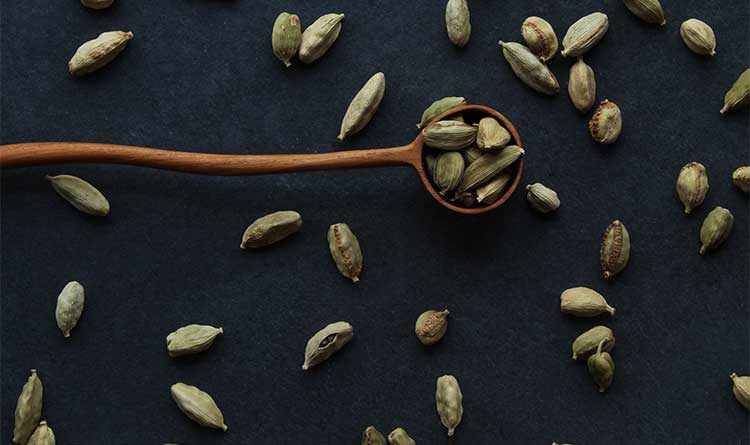
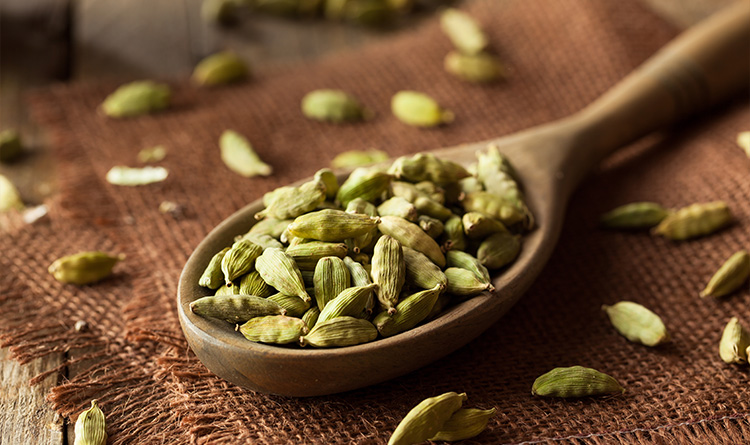
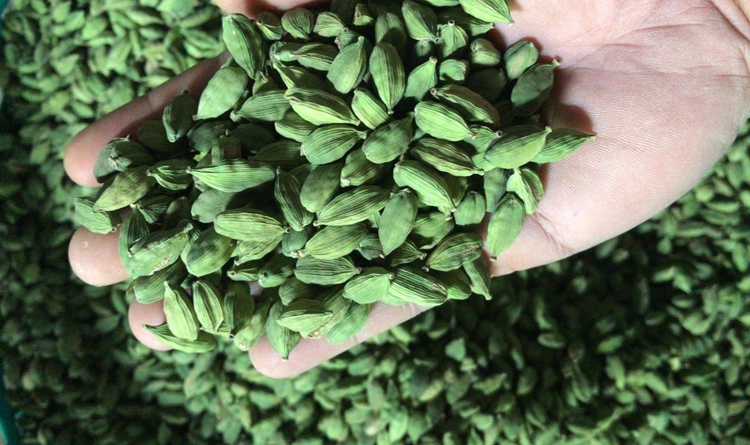
The best quality cardamom is plump, vibrant green in color, and free from splits, shriveling, or mold. Color-uniformity and a strong, sweet aroma are positive indicators of freshness and high oil content.
3. Work with Credible Cardamom Distributors and Suppliers
Sourcing directly from trusted cardamom distributors and exporters ensures better quality control and traceability. Credible suppliers have stringent quality checks in place, including moisture content tests, size grading, and contamination screening.
When assessing cardamom suppliers, consider the following:
Their sourcing practices and relationships with farmers
Certifications (ISO, HACCP, Organic, FSSAI, etc.)
Credibility in the market
Consistency in supply and pricing
Packaging and delivery standards
A good supplier will not just provide high-quality products but also offer valuable insights into market trends, pricing, and seasonal availability.
4. Moisture Content and StorageMoisture content plays a crucial role in determining the shelf life and safety of cardamom. Ideally, moisture levels should be around 10% or lower. Excess moisture can result in fungal growth, spoilage, and loss of essential oils.
Proper storage in airtight, moisture-proof packaging helps maintain the spice’s potency and appearance. Whether you're buying in bulk for export or retail, always verify that the cardamom has been stored and shipped under necessary conditions to preserve its quality.
5. Packaging MattersCardamom is sensitive to light, air, and moisture. The right packaging not only extends its shelf life but also safeguards its market value. For exporters, vacuum-sealed or nitrogen-flushed packaging in food-grade materials is perfect. For retail, attractive and informative packaging enhances visibility and consumer trust.
Ensure your cardamom supplier provides flexible packaging options that suit both bulk export and retail distribution. Transparent labelling with information on origin, grade, and harvest date also adds credibility.
6. Quality CertificationsWhen selecting cardamom for global markets, certifications and quality testing are important. Look for suppliers who provide:
Lab analysis reports for pesticide residues and heavy metals
Certificate of Origin and phytosanitary documents
Organic certifications if required
Having documented proof of compliance with food safety regulations gives your business a competitive edge.
ConclusionIn the spice trade, quality is everything. As demand for premium cardamom continues to rise globally, retailers and exporters who focus on sourcing best quality products are the ones who gain customer loyalty and market share. Understanding the nuances of cardamom production, grading, and distribution allows you to make thoughtful choices that align with your brand’s promise of quality.
Partnering with the right cardamom suppliers can simplify your procurement process, reduce risk, and boost the value of your product offerings. Whether you're catering to a niche gourmet market or large-scale wholesalers, your commitment to quality begins with the choices you make at the source.
Are you looking for premium-grade cardamom that meets global standards?
Partner with Spice Cardamom, one of the most trusted cardamom exporters and distributors in the region. We provide farm-fresh, meticulously graded cardamom that’s ready for global export and retail distribution.
Contact us today for a customized supply solution tailored to your market needs. Let’s spice up your business!