- Email Us : export@spicecardamom.com
- Address : Digital Park, Silicon Oasis, Dubai, UAE
- Call : +971522865757

Trends in the Green Cardamom Export Market: What Buyers Should Know
 >
>
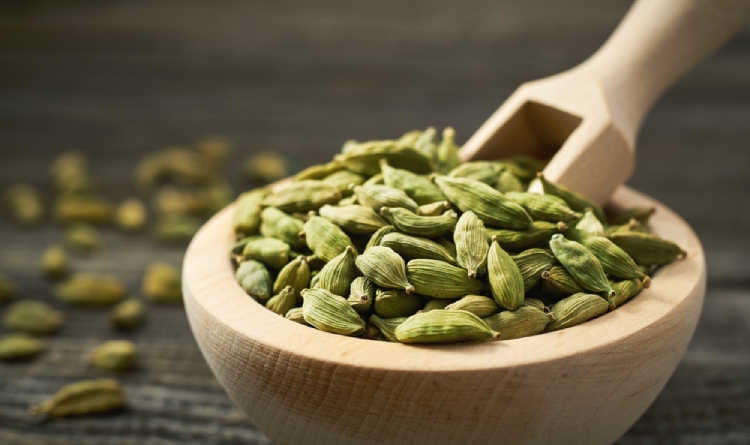
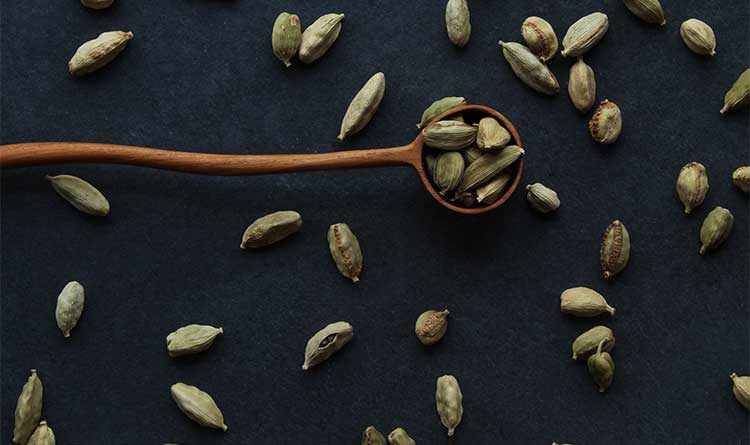
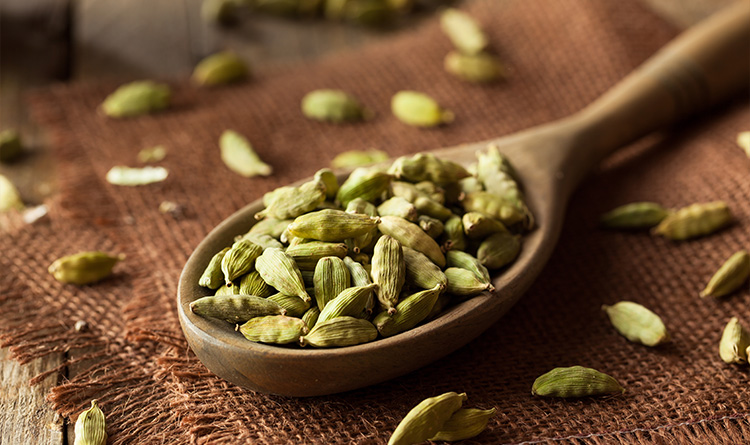
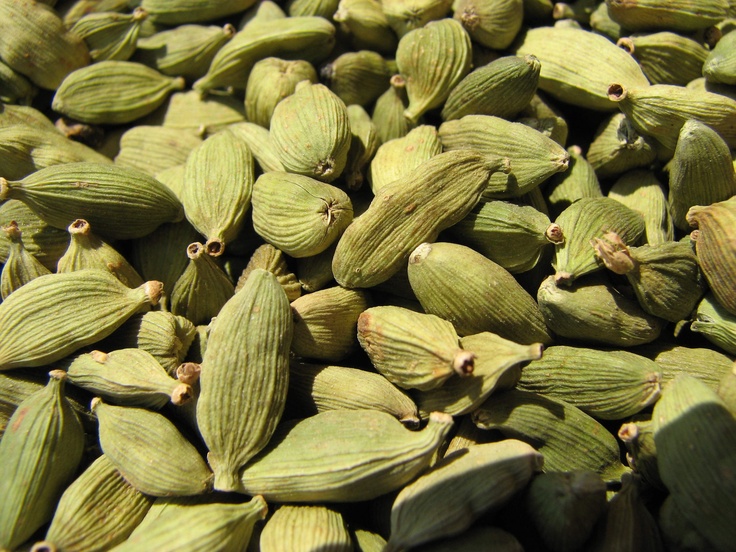
Green cardamom is frequently referred to as the "Queen of Spices," which is understandable. It is a worldwide favourite due to its potent, unique flavour and aroma, and its appeal is only growing. Consider this: it is so unique due to its potent, aromatic aroma and nuanced flavour, which is why it is so highly sought after in global markets.
It's significant that demand is growing worldwide, particularly in North America, Europe, Southeast Asia, and the GCC nations. Authentic, natural, and wellness-based ingredients are becoming more and more popular, so this isn't just a fad. Green cardamom is a great addition to that movement.
Whether you're reselling or importing in bulk, it's critical for buyers to stay informed about the spice trade because it can be highly unpredictable. The dynamics of the market are constantly shifting, so being informed can help you overcome obstacles and make wiser decisions.
This essay draws insightful tips for wholesalers and importers trying to negotiate this changing terrain by emphasizing the present trends in the green cardamom export market.
1.Growing Worldwide Demand Among Various Industries:These days, green cardamom finds application much beyond just conventional dishes. Although it remains a mainstay in South Asian and Middle Eastern cuisine, its uses have spread into fields including:
- Health supplements and herbal remedies
- Herbal teas and functional drinks
- Essential oils and fragrances
- Creating gourmet and handcrafted food
North America, Europe, Southeast Asia, and the GCC nations have the highest demand for green cardamom. Green cardamom is in line with a larger trend towards whole and wellness-focused products in these areas, where consumers are increasingly choosing natural and authentic ingredients.
Customers must therefore collaborate with exporters who are aware of the unique legal and quality requirements of their destination nation, especially in the food and pharmaceutical sectors.
2. Stress on Ethical Sourcing and Traceability:One major element of change in the export market is the shift towards ethically sourced and traceable cardamom. Buyers want to know not just about the product; their interest goes into the source, production method, and the supply chain.
This is why an increasing number of buyers have started seeking exporters who deal directly with farmers, especially in regions such as Kerala and Karnataka in India. These direct-link relationships let one enjoy more constancy and transparency.
3. Climatic and market dynamic price volatility:Untouchable in nature, cardamom growth experiences variations under different monsoons, extended periods of drought, or outbreaks of any kind of disease. So, these factors affect the prices of cardamom.
For instance, a shortcoming in Indian harvests caused upward price trends in the past, and there were times when the downward trend was so severe due to unexpectedly good harvests. Such price fluctuations can also occur due to speculative buying and stockpiling by the wholesalers, leading to imbalances, albeit temporary, between supply and demand.
In order to be one step ahead of such market fluctuations, buyers should always remain in the loop with their exporters for real-time price information; one could even think of entering into long-term contracts or forward agreements to safeguard against sudden price fluctuations during volatile times.
4. Evolution in Logistical and Export Compliance:Tightened requirements by several counties for food safety, or for agricultural importation, have expanded opportunities for exporters within the past few years. Importers currently face increased levels of scrutiny regarding pesticide content, contamination risks, and paperwork. At the same time, global logistics are constrained by container shortages, increased shipping costs, and delays in customs, especially in Europe and North America.
Those exporters, who have acquired up-to-date and modern capabilities and maintain strong relationships with shipping partners and have efficient procedures for digital documentation and advanced tracking resources, will be much better placed to satisfy existing demands. As a purchaser, you should try to find a seller able to show a track record in managing export processes specific to the destination, preparing phytosanitary certificates correctly, and providing timely shipping updates.
5. Technology-Powered Grading and Packaging Methods:International travel has always been the concern of cardamom vendors as far as keeping cardamom fresh, aromatic, and colorful goes. But advances in technology are supporting a longer life span and better appearance of the product through improved packaging and sorting and grading.
From the modern exporter's perspective, digital grading systems would be used to grade cardamom according to size and color. Keeping essential oils intact would involve vacuum or nitrogen flushed packaging and sterile post-harvest treatments to protect against mold and insect attacks.
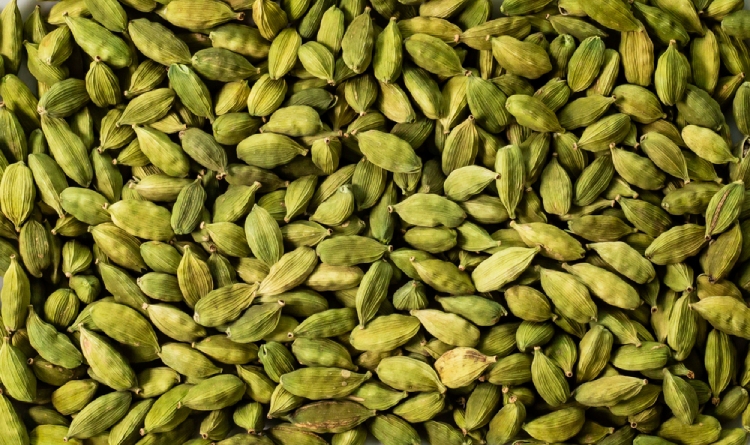
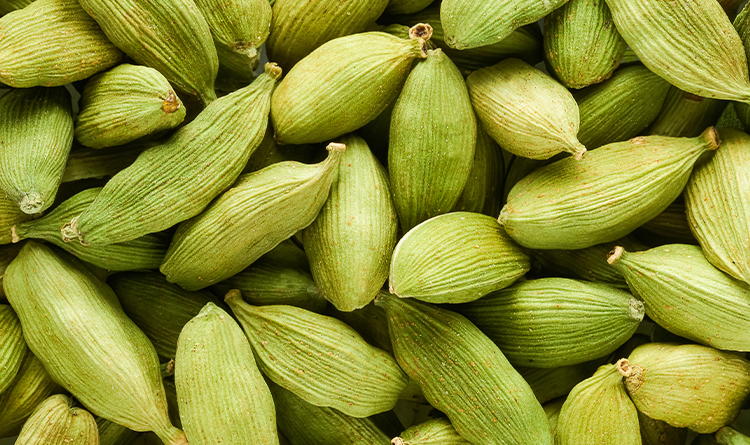
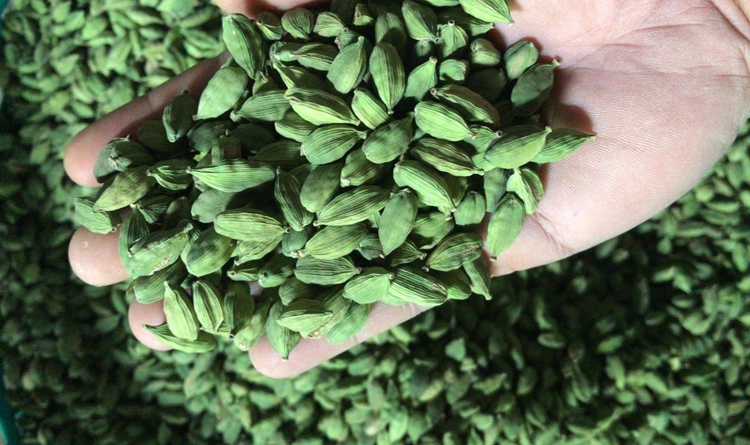
As an importer, requested on receiving quality assurance reports and test samples before placing large shipments. Check the product specifications thoroughly, which includes the diameter (usual diameters are 6 mm or 7 mm and above), moisture content, and visual appearance. It is wise also to opt for exporters who can customize the product as per the specific requirements of the market.
6. Development of Private Label Exports and Small-Batch:Large bulk shipments have traditionally defined the cardamom export sector. But emerging trends in boutique food branding, specialty imports, and e-commerce are driving up demand for small-batch and private label products.
Exporters, often needing specialized packaging, labeling, and smaller minimum order quantities, are now partnering with start-ups and small companies wanting to launch their own spice lines.
For novice purchasers or small companies: This is a chance to collaborate with exporters providing flexibility. Start with sample orders to check quality and supply dependability before increasing.
7. India's Competitive Edge in the World Market:India is renowned worldwide for producing premium, tasty green cardamom with intense aroma and natural color, whereas Guatemala still holds the top position in production volume. Indian cardamom is less processed and shade-dried, therefore it may be used both in food and medicine. In premium retail environments, especially where customers are ready to pay more for great flavor and purity, it is favored.
Additionally extended by the Indian government are several export assistance programs like the Remission of Duties and Taxes on Export Products (RoDTEP), which indirectly helps consumers by increasing competitiveness.
For a purchaser, sourcing Indian cardamom gives access to a product grown and handled under highly controlled conditions and of great taste.
Working with SpiceCardamom.com: What Distinguishes Us
Spice Cardamom is aware of the intricacy of the present spice export industry. We provide:
- Regular quality from accredited farms in Kerala and Karnataka
- Clear documentation for global shipments
- Bulk and small-batch export possibilities
- Totally tailored labeling and packaging options
- First-time and long-term buyers will benefit from dedicated export assistance.
Whether you are a wholesaler filling large-scale orders or a merchant introducing your own spice line, our staff makes sure you get the correct product on time and in the condition you anticipate.
Conclusion: Maintaining Ahead in a Changing MarketThe exportation of green cardamom is still on its way upward, yet new challenges have come up with this growth. These are the climatic uncertainties, ever-rising quality specifications, government regulations, and changing buyer profiles.
Long-term success will depend largely on keeping informed and on your choice of partners as well as accepting a proactive approach to sourcing. In the case of buyers, the further the knowledge of the market that would be of help will let them negotiate better, plan ahead, and position their businesses better.
Contact SpiceCardamom.com now if you're set to investigate premium-grade green cardamom from India. With excellent quality you can rely on and service above expectations, we are here to simplify your sourcing process.