- Email Us : export@spicecardamom.com
- Address : Digital Park, Silicon Oasis, Dubai, UAE
- Call : +971522865757

Why Businesses Are Investing in Cardamom Exports
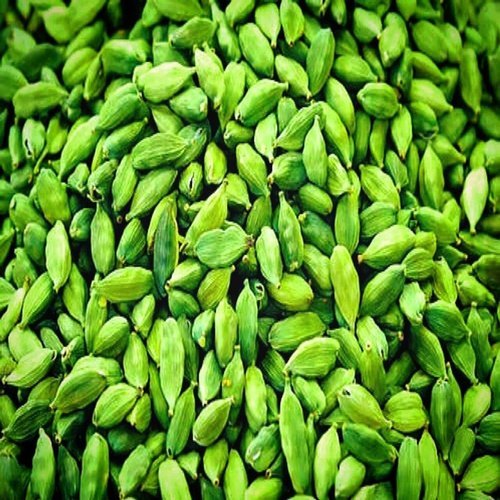
It is well known that green cardamom is called the “queen of spices”. This article explores why a growing number of smart businesses, global trade networks, and agricultural investors are pouring millions of dollars into the shipping and distribution of this premium pod. If you look closely at international trade data, you will find that the financial return on this specific spice leaves most standard commodities far behind. The intense, warm scent and immediate kitchen value of a premium pod need no introduction. Global consumer preferences are shifting toward clean ingredients, plant based remedies and exotic culinary experiences, mastering the logistics of this supply chain has become a highly promising path for modern entrepreneurs.
If you are trying to understand where the biggest opportunities in international agriculture lie, looking only at massive grains like corn or wheat without checking the high-margin world of premium botanicals means your investment picture is incomplete.
Looking for premium cardamom?
Our team is ready to help you with retail, wholesale, and export inquiries. Contact us today for competitive pricing and reliable supply.
Or email us at export@spicecardamom.com
The Rising Global Demand Across Diverse Industries
You cannot view this plant as just a simple ingredient meant for a few traditional holiday dishes. In the past, the market was driven mostly by local home cooks in South Asia and hospitality traditions in the Middle East.
Modern beverage companies are using this spice to make fancy gins and trendy ready-to-drink chai lattes. Luxury makeup and skincare companies are also buying the oils made from the seeds. They use these oils to make organic perfumes and expensive soaps. This massive demand from so many different industries keeps the spice popular year after year. This protects sellers from the big drops in prices that often hurt farmers who only sell to one type of business.
Unlocking High Margins Through Direct Sourcing
The traditional way of buying spices involved a long, chaotic chain of local village brokers, regional auction houses, port wholesalers, and multiple layers of middle steps. Every single one of these steps added an extra fee while making it harder to track where the crop actually came from. Smart businesses are completely changing this outdated model by creating direct, digital connections with verified cardamom producers right in the growing valleys.
By going straight to the source, corporate buyers can bypass the expensive spot-market auctions completely. This direct strategy allows companies to secure far more stable, wholesale prices for their inventory while ensuring that the money goes directly to the farming communities. When you eliminate three or four layers of middlemen, your profit margins per metric ton increase dramatically. Furthermore, this direct human connection gives businesses a clean line of sight to the actual harvest date, ensuring they receive the freshest possible stock before it sits in a humid port warehouse for months losing its value.
The Critical Need for Strict Quality Controls
In the luxury spice market, a slight drop in product quality can completely destroy your reputation and lead to rejected shipments at international borders. The food safety agencies of different countries enforce very strict rules regarding chemical residues and internal moisture levels and chemicals used. There is high financial risk, and so top trade firms are partnering with specialized cardamom suppliers who own modern, closed loop processing facilities. High grade operations use mechanical dryers where the temperature is kept under fifty degrees Celsius to lock in the natural olive green colour. They also use optical sorting machines that use lasers to automatically blow away empty, hollow, or insect-damaged pods. Investing your capital into a supply chain that prioritizes this level of technical precision ensures that every single box you import meets the ultimate benchmark of high quality cardamom standards.
Navigating the Nuances of International Shipping
The essential oils inside the dark seeds of cardamom are highly sensitive to temperature shifts and humidity. So immense planning is required during transport.
The leading cardamom exporters today use multi layered, vacuum sealed barrier bags that block out all light, moisture and air. This advanced packaging keeps the spice in a state of suspended animation during its journey. Businesses that invest heavily in these high end shipping practices can guarantee ultimate freshness upon arrival, allowing them to market their product as the absolute best cardamom available on the wholesale market. Mastering these difficult shipping mechanics creates a massive shield against competition, as casual traders simply do not have the expertise to deliver a flawless product across long distances.
Cultivating Lasting Partnerships for Future Growth
The human element of the spice trade is just as vital as the automated sorting machines or the shipping contracts. The crop survives only in very specific tropical mountain climates: Guatemala, India and Sri Lanka.
Establishing a permanent, ethical cardamom export business means signing fair trade agreements that give local farmers financial security through multi year buying contracts. When a community knows their crop is already sold at a fair price, they can afford to invest in sustainable farming tools and better wages for their picking crews. This cooperative loop ensures that your business receives the first pick of the finest rows during harvest time. Ultimately, companies that treat the trade as a mutual partnership rather than a short term commodity gamble are the ones securing a permanent, highly profitable foothold in the global market for Elaichi products.
Conclusion
The wave of corporate investment into the cardamom market is driven by a perfect storm of rising global demand, high profit potential, and the necessity for professionalized logistics. The success of your cardamom business depends heavily on the reliable cardamom supplier you choose. The quality of the product and your customer service satisfaction will be tarnished if you take risks with reliable distributors. Trust and quality should always go hand in hand when you choose a supplier. Your business should be built on the foundation of high standards and strong relationships without any shortcuts. As the world continues to move away from artificial ingredients, the companies that control the supply lines of this ancient, aromatic treasure will continue to lead the global luxury food economy for decades to come.
Frequently Asked Questions
1. Why is Guatemala such a dominant player in the global export market compared to India?
While India produces some of the most aromatic and historically famous cardamom in the world, a massive percentage of its annual harvest is consumed entirely by its own massive domestic market for daily tea and cooking. Guatemala does not have a cultural tradition of consuming the spice locally. Therefore, almost one hundred percent of the Guatemalan harvest is grown purely for cardamom export channels, making them the largest volume supplier for international buyers.
2. How do global trade firms protect their cardamom cargo from mold during long sea voyages?
Premium exporters ensure that the pods are dried down until their total moisture content is below ten percent. The dry pods are then packed into specialized airtight polymer bags. They prevent any humid sea air from entering into the boxes.
3. What specific qualities do international inspectors look for to grant a premium grade?
Inspectors look at three main physical factors: pod size, color consistency, and weight. The absolute highest grade is usually reserved for pods that measure 8 millimeters or larger in diameter, feature a uniform deep-olive green skin with zero pale spots, and are completely free of split husks or insect boring holes.