- Email Us : export@spicecardamom.com
- Address : Digital Park, Silicon Oasis, Dubai, UAE
- Call : +971522865757

Why Buyers Prefer Premium Grade Cardamom
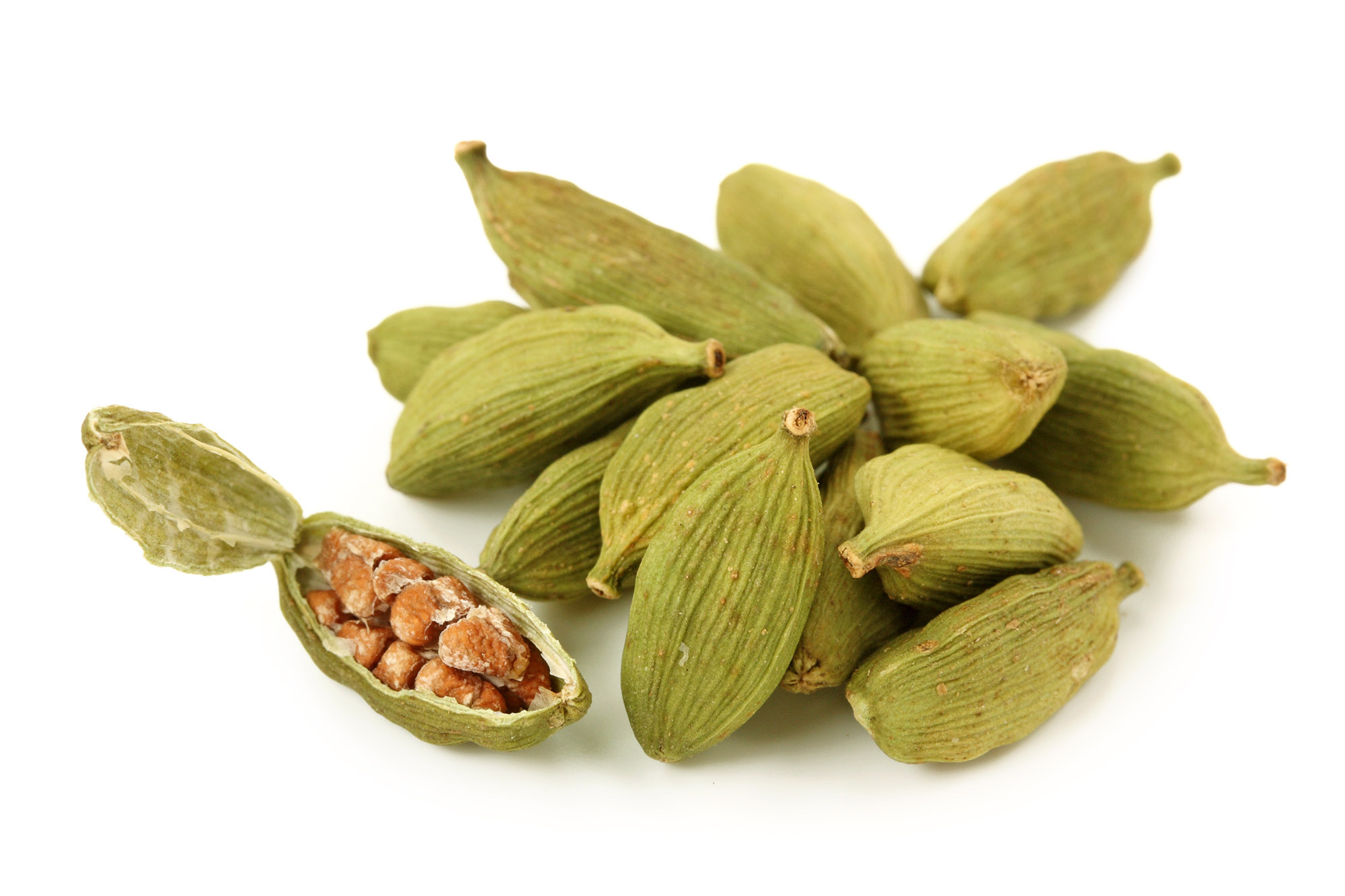
Spice trading isn't just about securing raw materials. It is entirely about protecting your margins and your final product. You might buy a cheap container of green pods and think you scored a massive win for your quarterly budget. Then that container hits your processing floor. The extraction yield is terrible. The aroma is totally flat. Your production managers are furious because the numbers just aren't adding up.
This scenario plays out constantly when wholesale buyers chase the lowest possible price for cardamom. But veterans in the spice trade, the master tea blenders, the heads of procurement, the commercial extractors, simply refuse to play that game. They willingly pay top dollar for premium grades. Why? Because they understand the raw math. The most expensive material on paper actually ends up costing less when you run it through a commercial factory.
Looking for premium cardamom?
Our team is ready to help you with retail, wholesale, and export inquiries. Contact us today for competitive pricing and reliable supply.
Or email us at export@spicecardamom.com
The Math Behind Volatile Oils
Let's look at the actual engine of the spice: the volatile essential oils. When you buy Elaichi, you aren't really paying for the green outer shell. That shell is just the packaging. You are paying for the complex chemistry locked tightly inside the dark inner seeds.
If you buy cheap, underdeveloped pods, you are getting cheated on those oils. Crack open a low grade pod and you will usually find seeds that are pale, dry, and shriveled. You will be lucky to squeeze out a two percent essential oil yield. Premium, fully mature pods easily hit four to eight percent. If your spice stock has half the oil content, you literally have to dump twice as much raw material into your mixing vats to get the same taste. Buying high quality cardamom means you consume less inventory per batch. The premium price tag pays for itself the second you start processing.
Physical Size and Machine Efficiency
Walk into any major spice auction and you will see buyers obsessing over millimeter measurements. They aren't grading by size just to make the product look pretty in a glass jar. Physical size tells you exactly what is hiding inside the pod.
When you source an 8mm Extra Bold grade, you get a thick, durable outer hull packed tight with thirty or forty dark, sticky seeds. There is barely any dead air inside. Lower grades give you hollow pockets, paper-thin shells, and undeveloped seeds that add useless weight to your shipment without delivering any flavor.
This physical makeup drastically impacts factory machinery. When you run cheap pods through an industrial burr grinder, the high ratio of fibrous, empty husk to actual seed creates a mechanical nightmare. The dry, fibrous shells clog the grinding plates and actually soak up the trace amounts of oil you are trying to extract. When you use bold, seed-heavy pods, the equipment runs clean, and the flavor extraction is incredibly efficient.
Those thick premium shells also act like a natural vault. They keep oxygen out. A torn, split, or crushed shell leaks aroma by the hour. Reliable cardamom producers use heavy duty mechanical sieves and optical color sorters to throw out the small, broken and split pods. They guarantee that every pod you buy is perfectly intact.
Green Color Proves Processing Care
Color is another indicator of quality that buyers check. A vibrant and deep olive green colour proves that the crop was harvested at peak maturity and cured correctly after leaving the field.
If a farmer tries to cut costs by drying their harvest out in the open sun, the UV rays destroy them. The pods quickly turn a washed out yellow or a dusty white. Worse, that direct, uncontrolled heat bakes off the delicate top notes of the aroma. You end up with a flat, woody smell that ruins high-end recipes.
The best cardamom comes from operations that invest heavily in enclosed, temperature-controlled kilns. The heat stays steady, the green color stays locked in, and the volatile oils do not evaporate into the atmosphere. If you buy a faded, sun dried batch, it will likely lose its remaining flavor within a few months.
Avoiding the Moisture Trap at Customs
Nothing ruins a procurement manager's quarter faster than a rejected container at a customs port. Shipping raw agricultural goods across the ocean is inherently risky. If you buy a bargain lot that was not dried properly, you are begging for a massive logistical disaster.
Any moisture reading over twelve percent is a ticking time bomb. The intense heat inside a steel cargo ship container will cause those damp pods to sweat. Within a few weeks, you have active mold growth spreading through the bulk bags. The aroma turns incredibly musty, and port health inspectors will instantly reject the load. You don't just lose the product; you get hit with daily demurrage fees while the container sits at the port, and you eventually have to pay for industrial disposal.
Top tier cardamom exporters do not take that gamble. They dry their bulk inventory down to a strict ten percent moisture limit. Then, they pack the goods inside thick, vacuum-sealed aluminum bags to block out ocean humidity entirely. They also run lab tests before shipping to prove the batch is completely clear of pesticides. The cargo sails through international customs without a single delay or hidden fee.
Supply Chain Sanity and Contract Security
Consistency is the ultimate goal in commercial food production. Wholesale buyers often secure contracts for an entire year's supply at once. If you setup with a cheap contract and the quality degrades rapidly in your warehouse because the pods were poorly cured, you are stuck with unusable inventory. You end up writing off the loss and buying emergency spot market stock at a massive markup just to keep your factory running.
Partnering with professional cardamom suppliers who specialize in premium grades takes all this guesswork out of your supply chain. You get the same moisture levels and the same essential oil yields, and also the same flavor intensity on every pallet.
Conclusion
Dominating today's crowded food and beverage market is not about finding the absolute cheapest wholesale price sheet you can find. It is about respecting the natural quality of the plant. So, high quality cardamom is expensive because it is difficult to grow and impossible to automate. It has become an irreplaceable ingredient in many kitchens. The Indian cardamom is the best cardamom in the market and no wonder it is the best choice for global buyers in 2026. The cardamom suppliers are also reliable because of their consistency in delivering high quality cardamom. The strong aroma and natural flavour of Indian cardamom remains unmatched in the market. There is no doubt India offers the finest high quality cardamom.
Frequently Asked Questions
1. Why do 8mm Extra Bold pods cost so much more per kilo?
The larger the pod, the higher the seed-to-husk ratio. You are paying for the heavy concentration of internal seeds, which hold all the essential oils. You get far more flavor impact out of a kilo of large pods than you do from a kilo of small, hollow pods.
2. How does a low essential oil yield affect manufacturing?
If the pods lack essential oils, your production team has to use significantly more raw material to hit the required flavor profile. This drives up the cost of every batch you produce and can physically clog processing machinery with excess fibrous husk.
3. Why is vacuum packaging so critical for bulk spice shipping?
Vacuum bags suck out the air and block all outside moisture. This keeps the natural oils fresh and stops the pods from soaking up water during long, humid ship journeys, which completely prevents mold.