- Email Us : export@spicecardamom.com
- Address : Digital Park, Silicon Oasis, Dubai, UAE
- Call : +971522865757

Why Fresh Green Cardamom Commands a Premium Price
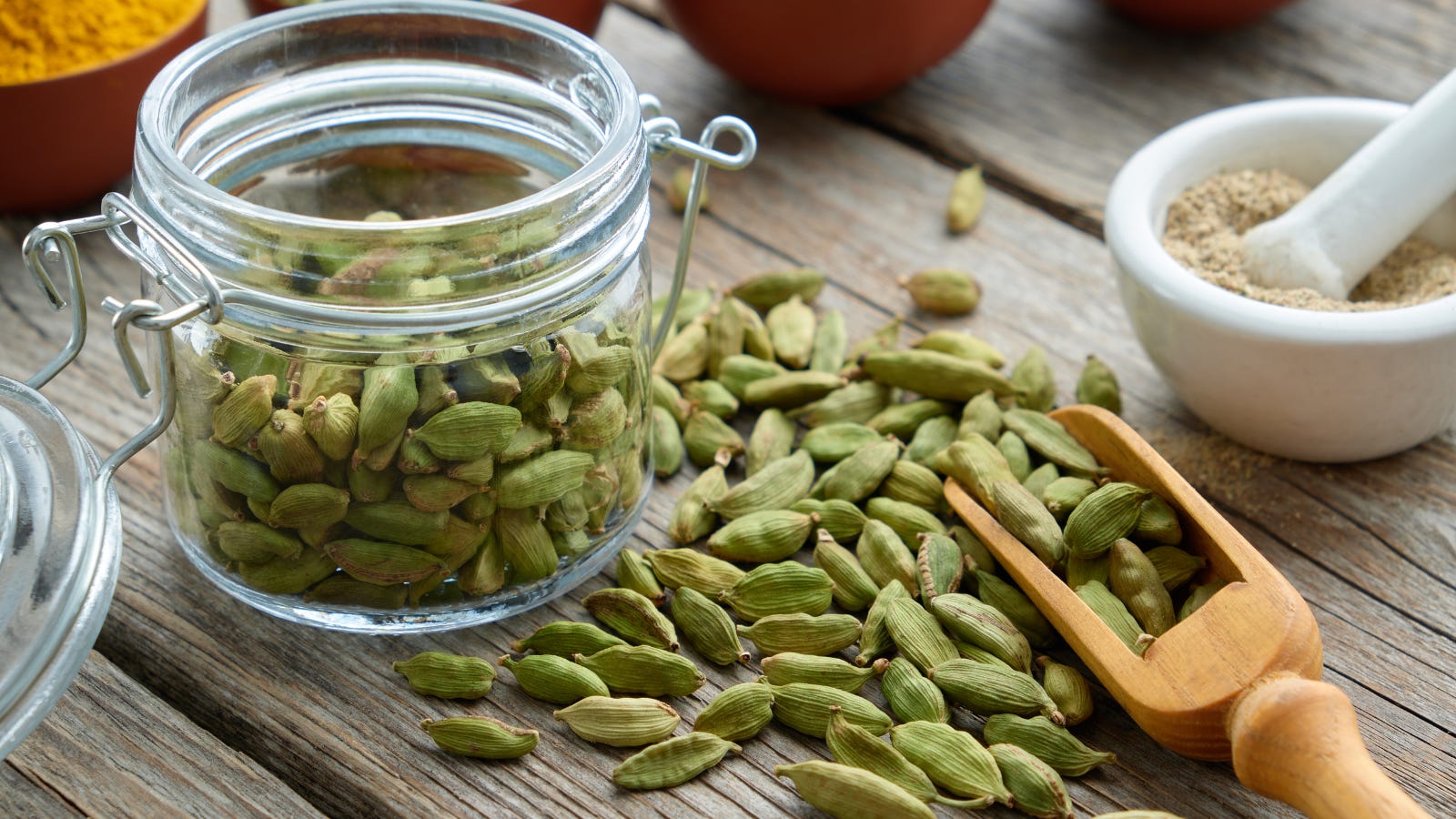
It is well known that green cardamom is called the "queen of spices". This article explores the economic realities behind why this tiny pod costs so much money in grocery stores and international markets alike. If you have ever walked down the spice aisle or sourced ingredients for a food business, the high price tag on a bag of fresh green pods probably caught your eye. The incredible smell and warming punch of green cardamom need no introduction. When you open a high quality batch, that sweet smell fills the air and that shows top-tier quality. If you are trying to understand the global spice trade, looking only at the retail shelf without studying the massive costs of farming and trading means your picture is incomplete.
Looking for premium cardamom?
Our team is ready to help you with retail, wholesale, and export inquiries. Contact us today for competitive pricing and reliable supply.
Or email us at export@spicecardamom.com
The Human Labor and Climate Struggle
This is another factor making it an expensive spice. Cardamom must be hand-picked, no machines can help detect the ripeness of cardamom. The process is labour intensive as the workers have to walk around the plants and pluck the perfectly ripe cardamom by hand.
Once the pods are harvested and dried, the work isn't over. To separate the "Bold" pods from the rest, the crop has to go through a rigorous mechanical and manual sorting process. Cardamom suppliers use specialized sieves to grade the pods by millimeters. The extra steps, the precision required, and the labor involved in ensuring that a "Super Bold" bag contains only 8mm+ pods add significantly to the final cost.
Sourcing the Right Raw Material
Because the best cardamom grows in specific pockets of the world like India and Guatemala, moving the crop to global buyers requires serious business infrastructure and capital. Many international spice brokers and trading houses need a strategic setup to manage their multi-million dollar shipping operations, coordinate with customs, and handle global transport without losing product quality. To make these trade routes profitable, large-scale distributors frequently invest a lot of time into hunting for fresh green cardamom directly from source farms.
When a buyer is on the lookout for premium stock, they cannot just order blind. They look for bright, plump pods that have been cured perfectly. This is where green elaichi shines in the luxury market. The bright green pod commands a massive price over faded or yellowed varieties because it shows the consumer that the spice was grown under perfect shade and dried with expert precision. If a farmer messes up the drying process by even a couple of degrees, the vibrant green turns to an earthy brown, instantly slashing the market value of the whole batch by half.
The High Cost of Stringent Quality Checks
When a consumer pays top dollar for green pods, they expect perfection. They want large, plump, 8mm pods with a striking olive-green color. Achieving this level of uniformity means exporters have to throw away or down-grade a large percentage of every single harvest.
Before the final product gets loaded into ocean containers, it goes through multiple rounds of mechanical cleaning, air blowing to remove hollow shells, and hand sorting to pull out yellow or broken pieces. Also international food safety laws are very strict about chemical residues. If a laboratory test detects even a tiny trace of an unapproved pesticide, if it's in major ports in Europe or North America, they will reject and destroy the entire multi-ton container. To manage these immense operational risks and navigate foreign food import laws, global green cardamom suppliers must maintain strict tracking systems from the farm to the shipping port. Having a dedicated team for international trade compliance helps companies absorb the costs of rejected batches and ensures that only the absolute best green cardamom reaches the high-end retail shelves.
Packaging Materials That Cost a Fortune
You cannot ship high-grade cardamom in cheap plastic bags or simple cardboard boxes. The essential oils that give the spice its citrusy, sweet punch evaporate incredibly fast when exposed to warm air or sunlight. If the green pods are exposed to light for even a few days during transit, the natural chlorophyll bleaches out, turning the product a pale yellow that buyers will refuse to pay for.
To preserve the quality, suppliers use thick, food-grade dark polythene bags that are vacuum-sealed to lock out all oxygen. These inner bags are then packed inside heavy, multi-layered aluminum bags or thick jute sacks to protect them from the brutal heat inside ocean cargo containers. The cost of this specialized packaging adds a significant premium to every single kilogram shipped. When a business handles its logistics correctly, they gain direct access to advanced packaging manufacturers and rapid shipping lines that keep the transit time as short as humanly possible, ensuring the valuable green cardamom seeds don't break down during travel.
Understanding Consumer Expectations
At the retail level, the pressure to maintain quality is immense. Everyday home cooks and Michelin-starred chefs alike are willing to pay extra because they know how much raw power a single pod holds. They are looking for green cardamom spices that haven't been mixed with old stock from the previous year's harvest.
When you purchase premium pods, you are paying for the safety of knowing that the spice was handled with care at every turn. If a supplier tries to cut corners by mixing old, dusty seeds with a fresh batch, the aroma profile drops immediately. Buyers will detect the stale, woody undertones right away. This is why high-end grocery stores and boutique food brands only buy their stocks from verified sources that specialize in elaichi green cardamom, ensuring their customers get an authentic burst of flavor every single time they crush a seed.
Conclusion
So, high quality cardamom is expensive because it is difficult to grow and impossible to automate. It has become an irreplaceable ingredient in many kitchens. The Indian cardamom is the best cardamom in the market and no wonder it is the best choice for global buyers in 2026. The cardamom suppliers are also reliable because of their consistency in delivering high quality cardamom. There is no doubt India offers the finest high quality cardamom. Use it to turn a simple cup of tea or a dessert, cardamom brings a level of flavour that no other spice can match.
Frequently Asked Questions
1. Why do some pods look much greener than others?
Be careful here! While high quality cardamom should be green, sometimes lower-quality pods are artificially dyed to look fresher. If you rub a pod between your fingers and the green color comes off on your skin, it's been dyed. Real green cardamom has natural and slight green colour.
2. Why is different prices for different brands of cardamom?
It is usually because of different grades and the origin. The high quality cardamom from the Idukki region in Kerala is often considered the best in the world. The reason is the soil and climate of the place. When you buy from premium cardamom suppliers, you get the best cardamom that is 8mm size and of high oil content. It is also hand-sorted to remove any "empties" or "splits."
3. Why does some cardamom look almost white?
That is usually "bleached" cardamom. In some traditions, pods are treated with sulfur dioxide to turn them white. While it looks uniform, it's generally considered lower quality than the natural green pods because the process can strip away some of the delicate aromas.
4. Why do some boxes of cardamom have an "8mm" stamp on them?
The millimeter measurement refers to the physical size of the pods. Pods that are 8mm or larger are considered the absolute premium grade because they are fully mature, plump, and packed full of dark, oily seeds. Smaller pods (6mm or 7mm) contain fewer seeds and less oil, which is why they sell for a much lower price in the wholesale market.