- Email Us : export@spicecardamom.com
- Address : Digital Park, Silicon Oasis, Dubai, UAE
- Call : +971522865757

Why Fresh Green Cardamom Seeds Have Superior Flavor
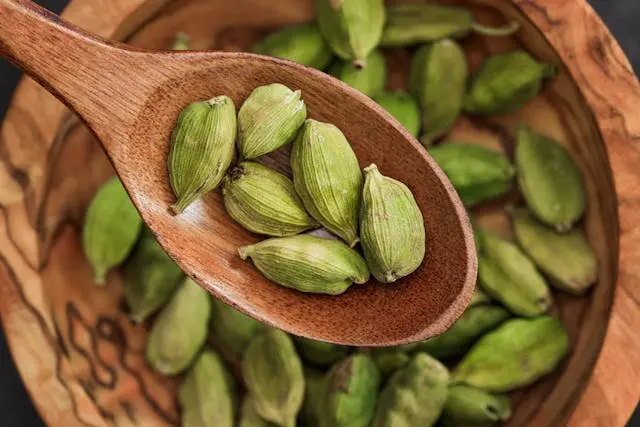
Cardamom is called the “queen of spices” because of its rich aroma and flavor. Due to the rising demand in the import export markets, the market is filled with different grades and qualities of cardamom. Poor quality cardamom affects taste and also reduces the value of the product for businesses. It is therefore important to choose quality green cardamom to maintain the reliability and reputation of green cardamom suppliers. Learning how to identify the best quality cardamom is necessary for traders and shop owners and even daily consumers. Many buyers, especially if they are beginners, find it difficult to tell the difference between high quality green cardamom and low quality ones. In this article we will see how to spot top quality green cardamom in the market.
The truth is, the outer green husk is basically just a protective jacket. The real powerhouse of flavor, the stuff that actually changes the taste of your product, sits entirely inside the tiny, sticky dark seeds hidden in the core. For anyone handling procurement or recipe development, knowing why uncrushed seeds deliver such a massive flavor upgrade is your best defense against a boring product. Buying pre-ground powder or old, fading warehouse stock to save a quick buck on labor is a trap. You end up with a flat, woody taste that ruins your recipes and drives away discerning customers.
Looking for premium cardamom?
Our team is ready to help you with retail, wholesale, and export inquiries. Contact us today for competitive pricing and reliable supply.
Or email us at export@spicecardamom.com
The Real Science Inside the Seed
When the pod is left whole, the outer green skin gives an airtight storage protection. It seals the oils away from light and heat and oxygen. That sticky oil is physical proof that the flavor is alive and well. Top tier green cardamom suppliers invest heavily in proper drying techniques to lock this moisture in place before the cargo ever ships.
When a seed is ground in a factory and sits in a plastic bag for months, its protective walls are gone. Exposure to the air triggers oxidation, causing those precious oils to evaporate into thin air. By the time you open that bag of pre-ground commercial powder on your production floor, you are essentially paying for dead plant fiber.
Spotting Stale and Artificial Batches
Because this spice commands such a high price per metric ton on the global market, it is a massive target for middleman scams and lazy storage practices. Learning how to spot a dead batch before you sign a bulk purchase agreement is the ultimate shield for your company's bank account.
When cardamom sits in hot warehouses for too long the pod fades and becomes straw yellow or dusty gray. To hide this, untrustworthy brokers will sometimes wash them in illegal chemical dyes to make them look fresh again. You can check by splitting a pod open and seeing the seeds inside. If they are pale white or gray, the batch is dead.
How Geography Changes the Flavor Profile
The actual mountainside where your spice is grown changes its chemical footprint completely. The international trade relies on two main growing hubs, and each one brings a totally different vibe to your product development.
India is the historic, artisanal heart of the premium spice world. The high-altitude plantations in the misty southern mountains produce green cardamom spices that are famous for their deep, sweet complexity and heavy oil weight. When global buyers want an ingredient that feels truly warm and luxurious, they specifically look for authentic green elaichi from these traditional zones. The auction systems here grade the pods strictly by weight and density, ensuring you get a massive seed-to-pod ratio. Using these oil-heavy seeds gives your products an unmistakable, premium warmth that high-end bakers and tea blenders rave about.
On the flip side, Guatemala is the giant volume champion of the world. Central American estates use massive, high-tech optical sorting machines that deliver perfectly uniform, bright green pods at very competitive wholesale prices. While these pods look brilliant in clear glass jars, the internal seeds lean toward a much sharper, punchier, and camphorous style of freshness. Many smart brands don't choose between the two; they actually buy from both origins and create a custom blend. They mix the unmatched visual beauty of Central American imports with the deep, resinous flavor power of true elaichi green cardamom to get the best of both worlds.
Maximizing Your Yield on the Factory Floor
For a food manufacturing facility or a commercial kitchen, the way you handle these fresh seeds determines your ultimate profit margin. To get the maximum value out of your raw material investment, you should set up your production floor to grind the whole pods mere minutes before they are mixed into your main batch. When you source the best green cardamom for your brand, your team should use specialized cracking mills that split the outer husks and separate the heavy internal seeds from the empty shells. This simple shift in your manufacturing setup can lower your required spice dosages by up to thirty percent because the flavor is so incredibly potent, keeping your budgets tight and your quality sky-high.
Conclusion
Dominating the premium food and beverage market isn't about finding the absolute cheapest wholesale price sheet. It is about respecting the natural lifespan of the plant. You cannot build a legendary brand using stale, pre-ground commercial powders or chemically dyed warehouse leftovers. By focusing your buying strategy on high-density pods, forcing your quality control team to inspect the color of the internal seeds, and running your grinding process right before mixing, you guarantee a level of aromatic excellence that your competitors simply cannot match.
Frequently Asked Questions
1. Can our brand use the green outer husks for flavoring to save money?
The outer green husks contain almost no essential oil compared to the dark seeds inside. While they carry a very faint, woody scent, grinding them into your high-end recipes will dilute your flavor profile and introduce a rough, stringy texture to your food blends. For premium brands, the husks should be separated and discarded.
2. What is the standard laboratory test to check if a seed shipment is fresh?
Your quality control team should run a volatile oil distillation test to check the exact oil percentage of the internal seeds. A fresh, high-quality batch should show an oil content between four and eight percent. If the report comes back with an oil level below three percent, the batch is old, dead, or was harvested way too early.
3. What is the best way to store bulk cardamom if we can't use it immediately?
To protect your investment, keep the whole pods inside high-barrier, multi-layer aluminum vacuum bags or completely airtight containers. Store the boxes in a temperature-controlled room that stays cool, dry, and pitch black.